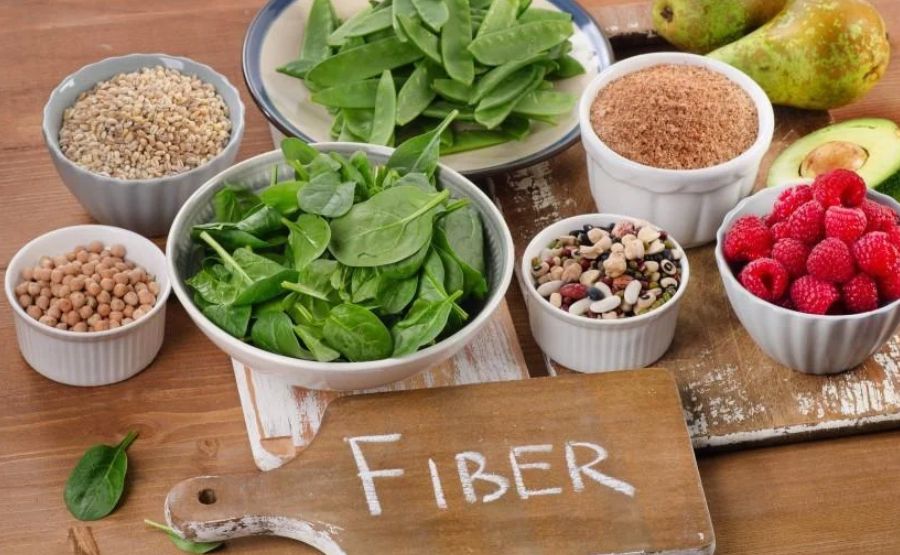

Let’s start with a number that should embarrass all of us: the average American eats about 15 grams of fiber per day. The recommendation is 25 to 38 grams. We’re not even halfway there. And it’s not because high-fiber foods are rare or expensive or hard to cook. They’re literally everywhere. Beans, lentils, raspberries, avocado — all of it sitting in your grocery store while you grab the same things you always grab.
This isn’t a “eat more kale” lecture. This is a practical breakdown of what actually has fiber, how much, and why most of the foods you’re ignoring are the ones that matter most.
Quick Facts
| Food | Serving | Fiber (g) |
| Navy beans, cooked | 1 cup | 19.1 |
| Split peas, cooked | 1 cup | 16.3 |
| Lentils, cooked | 1 cup | 15.6 |
| Black beans, cooked | 1 cup | 15.0 |
| Chickpeas, cooked | 1 cup | 12.5 |
| Chia seeds | 1 oz (2 tbsp) | 10.0 |
| Avocado | 1 medium | 10.0 |
| Artichoke, cooked | 1 medium | 10.3 |
| Green peas, cooked | 1 cup | 8.8 |
| Raspberries | 1 cup | 8.0 |
| Blackberries | 1 cup | 7.6 |
| Ground flaxseed | 2 tbsp | 7.6 |
| Pear (with skin) | 1 medium | 5.5 |
| Broccoli, cooked | 1 cup | 5.1 |
| Sweet potato (with skin) | 1 medium | 4.8 |
| Apple (with skin) | 1 large | 5.4 |
| Oats, rolled | ½ cup dry | 4.0 |
| Brussels sprouts, cooked | 1 cup | 4.1 |
| Almonds | 1 oz | 3.5 |
| Daily Target (women/men) | — | 25–38g |
Why Your Fiber Number Is Probably Low (And Why It Matters)
Only 5% of men and 9% of women in the US hit the recommended daily fiber target. That’s a stunning failure rate for something this accessible and this important. The American Society for Nutrition tracked those numbers and they’ve barely moved in years.
And here’s what low fiber actually costs you: higher cholesterol, blood sugar swings, worse gut bacteria, higher colorectal cancer risk, and the kind of digestion that makes you feel sluggish and uncomfortable more often than you’d like to admit. A major meta-analysis found that people eating the most fiber reduced their risk of dying from cardiac disease, stroke, type 2 diabetes, and colon cancer by 16 to 24 percent compared to people eating very little. That gap is significant.
The #1 Category: Legumes Win Every Single Time
Here’s where it gets simple. If you want fiber, eat beans. That’s it. That’s the whole secret. A cup of navy beans has 19.1 grams of dietary fiber — more than half your daily target in one bowl. A cup of lentils has 15.6. Black beans, 15. Chickpeas, 12.5.
No other food group comes close at normal serving sizes. Not vegetables, not fruit, not grains. Legumes are in a completely different tier.
And lentils specifically deserve more respect than they get. They cook fast compared to other dried beans — no overnight soaking required — and they work in soups, salads, curries, and grain bowls. The barrier to eating them is basically zero once you know how.
Split Peas: The Wildly Underrated Option
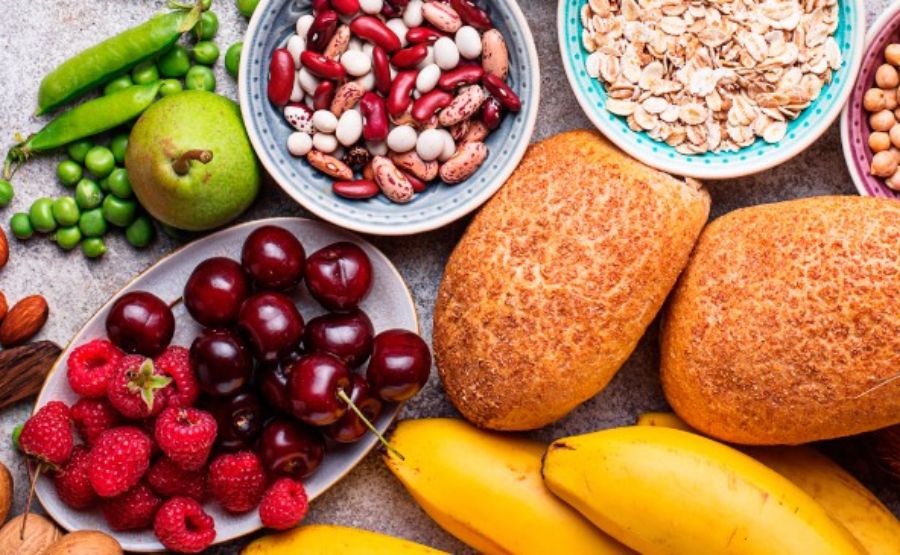
Let’s talk about split peas for a second because almost nobody does. Sixteen grams of fiber per cooked cup. That’s remarkable. Split pea soup, which has been on every diner menu in the country for fifty years, is accidentally one of the highest-fiber meals in existence.
People dismiss it as “old person food.” Those people are wrong and also probably constipated. A bowl of split pea soup made with vegetable broth and some smoked paprika is genuinely good, fast to make, and will knock out more than half your fiber target before dinner.
Chia Seeds: The Easiest Add-On That Actually Delivers
One ounce of chia seeds — two tablespoons — has 10 grams of fiber. Two tablespoons. You can add that to anything. Yogurt, oatmeal, smoothies, overnight oats. The seeds have essentially no flavor. They bulk up in liquid and take on the taste of whatever they’re in.
Chia seeds are one of the few foods where the density-to-effort ratio is nearly perfect. You’re not cooking anything. You’re not changing your meal. You’re just adding two tablespoons of something to what you were already eating, and getting 40% of many women’s daily fiber targets from it. Hard to argue with that.
Avocado: The Fiber Food Nobody Thinks of as a Fiber Food
This one trips people up constantly. A medium avocado has 10 grams of fiber. People talk about avocado for the healthy fats — and yes, the monounsaturated fat is real and worth having — but the fiber content is just as significant.
You’re putting it on toast anyway. You’re making guacamole. You’re throwing half of one into a smoothie or a salad. It’s already in your rotation. Start counting it as a fiber source too.
Fruits That Actually Have High Fiber (And It’s Not What You’d Guess)
Most people assume all fruit is basically the same fiber-wise. It’s not. The spread is enormous.
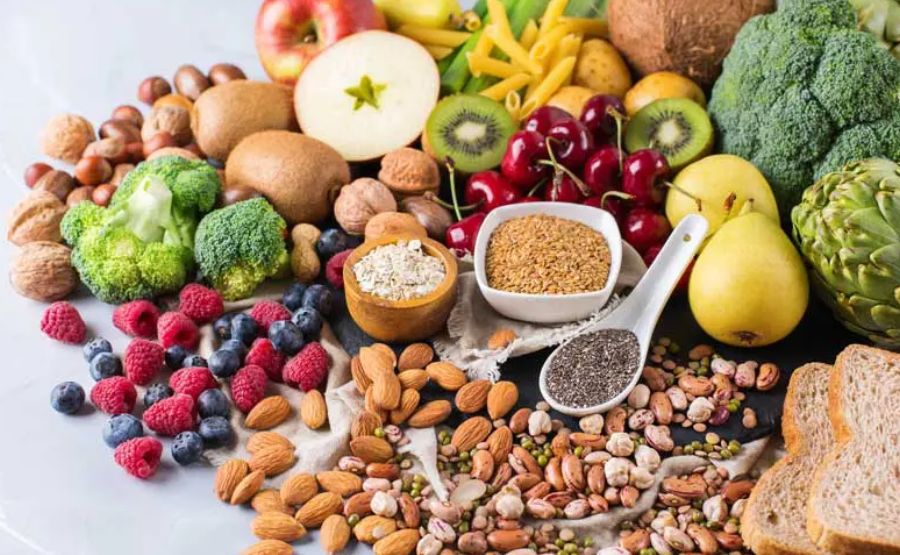
Raspberries and blackberries are the standouts at around 8 grams per cup. They’re the berries with all the seeds, which is exactly why they have so much more fiber than strawberries or grapes. A pear with the skin on hits 5.5 grams. An apple with skin gives you about 5.4.
That “with skin” part is critical. Fruit fiber is heavily concentrated in the peel. If you’re peeling apples before eating them, you’re throwing away a significant portion of the nutritional value. Leave the skin on. Wash it, eat it, move on.
The Two Types of Fiber: Not Complicated
You’ll hear “soluble” and “insoluble” constantly and it sounds more technical than it is. Here’s the short version.
Soluble fiber dissolves in water, forms a gel in your gut, slows digestion, helps lower cholesterol, and steadies blood sugar spikes. Good sources: oats, beans, lentils, apples, citrus, chia seeds. Insoluble fiber doesn’t dissolve, adds bulk to your stool, keeps things moving, and reduces constipation risk. Good sources: wheat bran, whole grain products, most vegetables, the skins of fruits.
You need both. Most whole foods that are high in fiber contain both types anyway, so the practical takeaway is simply: eat a variety of fiber-rich plants and you’ll naturally get the right mix without tracking ratios.
Vegetables Worth Actually Eating for Fiber
Not all vegetables are equal here, and it’s worth knowing which ones are pulling weight.
Artichoke is the vegetable leader at 10 grams per cooked medium artichoke. It’s fussy to prepare, but if you like it, it’s exceptional. Green peas come in at 8.8 grams per cup — the humble frozen pea, the one you probably dismissed as a side dish afterthought, is one of the most fiber-dense vegetables you can buy. Broccoli gives you about 5 grams per cooked cup, and Brussels sprouts are around 4.
Kale? About 1 gram per cup raw. Spinach? About 0.7 grams per cup raw. The trendy leafy greens aren’t where the fiber lives. The boring-sounding peas and artichokes are.
Whole Grains: Useful but Not Magic
Whole grains contribute to fiber totals but they’re not as impressive as legumes. A cup of cooked bulgur has 8 grams, which is solid. Cooked oats give you about 4 grams per half cup, which is decent. Whole wheat pasta comes in around 6 grams per cooked cup, much better than refined white pasta at 2 grams.
The grain contribution is real and consistent. The problem is people treat whole grain bread as their primary fiber source — and two slices of whole wheat bread give you maybe 4 grams total. That’s not going to close the gap on its own. Whole grains are a solid supporting player, not the MVP.
Seeds: Small Volume, Surprisingly High Impact
Beyond chia seeds, ground flaxseed deserves mention. Two tablespoons has about 7.6 grams of fiber, plus omega-3 fatty acids. It has to be ground to be absorbed properly — whole flax seeds mostly pass through undigested. Ground flax stirs invisibly into oatmeal, yogurt, smoothies, or baked goods.
Pumpkin seeds (whole, with the shell on) have about 5 grams of fiber per ounce. Almonds are lower at 3.5 grams per ounce, but if you’re snacking on a handful anyway, it adds up.
How to Actually Hit 25–38 Grams Daily Without Obsessing
The math becomes manageable once you stop relying on single foods and start stacking. Overnight oats with chia seeds and raspberries at breakfast: that’s potentially 20 grams right there. A lentil soup at lunch adds another 15. A side of broccoli at dinner adds 5. You’ve already exceeded the daily target before anyone starts arguing about dessert.
The Harvard T.H. Chan School of Public Health and UCSF Health both make the same point: spread it across meals. A massive fiber hit at once causes bloating and discomfort, especially if you’re not used to it. Ten grams at breakfast, ten at lunch, fifteen at dinner is far more tolerable than trying to slam 30 grams of fiber in one sitting.
Also: drink water. More fiber without more fluid intake makes constipation worse, not better. The two are inseparable.
Final Words
The fiber problem in this country isn’t a lack of information. It’s a lack of habit. The foods are all there — beans, lentils, raspberries, chia seeds, pears, broccoli, avocados. None of them are exotic, none of them require a specialty grocery store, and several of them are cheaper per serving than the processed snacks they’re replacing.
My actual opinion: the single highest-impact dietary change most people can make is just eating more legumes. One cup of lentils or black beans most days of the week will transform your fiber intake faster than any supplement, any fortified product, or any dramatic diet overhaul. Start there.
The 95% of men not hitting their fiber target aren’t failing because the information isn’t available. They’re failing because nobody made it feel this obvious. Consider it obvious now.
FAQs
1. What food has the most fiber per serving?
Navy beans — a cooked cup contains 19.1 grams of dietary fiber, which represents more than half the daily target for most women and well over half for men. Among seeds, chia seeds top the list at 10 grams per ounce.
2. What are the highest fiber vegetables?
Artichoke leads at about 10 grams per cooked medium artichoke, followed by green peas at 8.8 grams per cooked cup. Broccoli (5 grams), Brussels sprouts (4 grams), and sweet potato with skin (4.8 grams) follow. Most leafy greens like spinach and kale are surprisingly low in fiber despite their reputation.
3. How much fiber do I need per day?
Women under 50: 25 grams. Men under 50: 38 grams. Women over 50: 21 grams. Men over 50: 30 grams. The FDA also recommends 14 grams of fiber per 1,000 calories consumed as a general rule. Currently, average American intake sits around 15 grams — roughly half of the minimum target.
4. What’s the difference between soluble and insoluble fiber?
Soluble fiber dissolves in water and forms a gel-like substance that slows digestion, helps lower cholesterol, and stabilizes blood sugar. Found in oats, beans, lentils, apples, and chia seeds. Insoluble fiber doesn’t dissolve — it adds bulk to stool and moves things through the digestive tract, preventing constipation. Found in wheat bran, whole grain products, and most vegetable skins. You need both; most high-fiber whole foods contain both types.
5. Are beans really the best fiber source?
By a significant margin, yes. No commonly eaten food group delivers fiber at the concentration legumes do. A cup of navy beans (19.1g), lentils (15.6g), or black beans (15g) provides more fiber than almost any equivalent serving of vegetables, fruits, or grains.
6. Does avocado have a lot of fiber?
More than most people realize. A medium avocado contains around 10 grams of dietary fiber — comparable to an artichoke and significantly more than most fruits. It also delivers both soluble and insoluble fiber along with its well-known healthy fats.
7. Can you get too much fiber?
Yes, though most people are nowhere near that threshold. Too much fiber too quickly can cause gas, bloating, abdominal cramping, and either constipation or diarrhea. If you’re increasing your fiber intake significantly, do it gradually over several weeks, and increase water intake at the same time. The body adjusts, but it needs time.
8. Is fruit a good source of fiber?
Some fruits, yes. Raspberries (8g/cup), blackberries (7.6g/cup), pears with skin (5.5g), and apples with skin (5.4g) are among the best. Grapes, watermelon, and peeled fruits are much lower. The skin is where the majority of fruit fiber lives, so eating fruit whole and unpeeled matters considerably.
9. What are the best fiber foods for breakfast?
Oats are the classic choice at about 4 grams per half cup dry. Adding chia seeds (+10g) or ground flaxseed (+7.6g) significantly boosts the total. Berries on top add another 7-8 grams. A breakfast of overnight oats with chia seeds and raspberries can realistically deliver 20+ grams of fiber before you leave the house.
10. Are fiber supplements as good as food fiber?
Not equivalent. Supplements like Metamucil, Benefiber, and similar products typically deliver 3-5 grams per serving, and they lack the vitamins, minerals, antioxidants, and protein that come packaged with fiber in whole foods. The UCSF Health guidance is clear: target 25-30 grams from food, with supplements only filling gaps.
11. Does cooking destroy fiber?
Cooking changes fiber somewhat — it can break down some cell wall structures — but doesn’t eliminate it. Cooked beans, lentils, and split peas are actually easier to digest while retaining most of their fiber. Steaming vegetables preserves fiber better than boiling. The practical impact is minor — cooked high-fiber foods are still excellent fiber sources.
12. What’s the easiest way to add fiber to any meal?
Add chia seeds, ground flaxseed, or canned beans. Two tablespoons of chia seeds stir into almost anything without changing the taste. A can of rinsed chickpeas can be added to salads, grain bowls, or soups in thirty seconds. These two additions alone can add 15-20 grams to your daily total with no real cooking involved.
Discover stories that stand at the top with The Pinnacle Magazine.