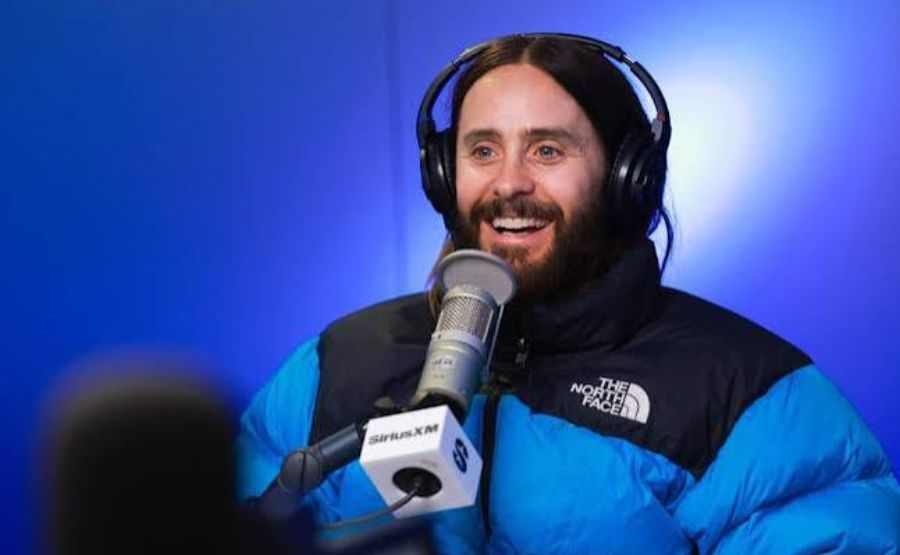

Quick Bio
| Category | Details |
| Full Name | Jared Joseph Leto |
| Born | December 26, 1971 — Bossier City, Louisiana |
| Age | 54 |
| Occupation | Actor, musician, frontman of Thirty Seconds to Mars |
| Band Founded | 1998 (with brother Shannon Leto) |
| Fan Community Name | The Echelon |
| Camp Mars | Annual multi-day fan event started ~2015 in Malibu, California |
| Mars Island Retreat | 2019 — private island in Croatia, up to $6,499 per VIP spot |
| “Yes, This Is a Cult” | Official band tweet and marketing phrase used since at least 2013 |
| Air Mail Investigation | June 2025 — nine women allege misconduct |
| BBC Documentary | July 2026 — Jared Leto: Hollywood’s Dark Secret — four more women |
| Total BBC-Counted Allegations | 120+ separate online allegations documented |
| Alleged Timeframe of Misconduct | 2002–2016 |
| Leto’s Response | “I have never sexually assaulted anyone in my entire life.” |
| Criminal Charges Filed? | No — as of publication |
| Academy Award | Won Best Supporting Actor 2014 — Dallas Buyers Club |
Here’s a sentence Jared Leto’s own band posted in 2019: “Yes, this is a cult.” Official tweet. Band account. Accompanied by a photo of Leto walking along a Croatian beach in white, hundreds of devoted followers trailing behind him like something out of a religious procession.
He said it first. He built it deliberately. And now seven years later, the word “cult” carries a weight he probably didn’t intend when he turned it into a marketing hashtag.
What the “Cult” Actually Started As
Let’s not pretend this thing appeared from nowhere.
Thirty Seconds to Mars — the band Jared Leto has fronted with his brother Shannon since 1998 — cultivated what most rock journalists described as an unusually intense fan base from early in the band’s history. The fans called themselves the Echelon. They weren’t just music fans in the traditional sense. The communal identity ran deeper. The band described them as believers. Leto told the New York Times directly: “We have this cult, this family, these believers.”
That’s a quote. From him. To a major newspaper. Not something taken out of context.
See also “Rock Paper Scissors Infinite: The Dumbest Smart Game You’ll Lose Three Hours To“
Camp Mars Was the First Escalation
The fan events started around 2015 in Malibu, California. Multi-day gatherings. Campfires, archery, music, and Jared Leto presiding over the whole thing with a kind of messianic energy. These weren’t just concerts. You paid to come. You wore white. You hung around Leto in what the band explicitly framed as a special spiritual community experience.
The Camp Mars events weren’t cheap. And the most devoted fans consistently found ways to pay whatever it cost to be closer to the inner circle. Observers watching fans discuss the cost online at the time described the experience as “rattling” — the willingness to spend significant money not for tickets to a show but for proximity to Leto himself.
The line between “premium fan experience” and something stranger was getting blurry.
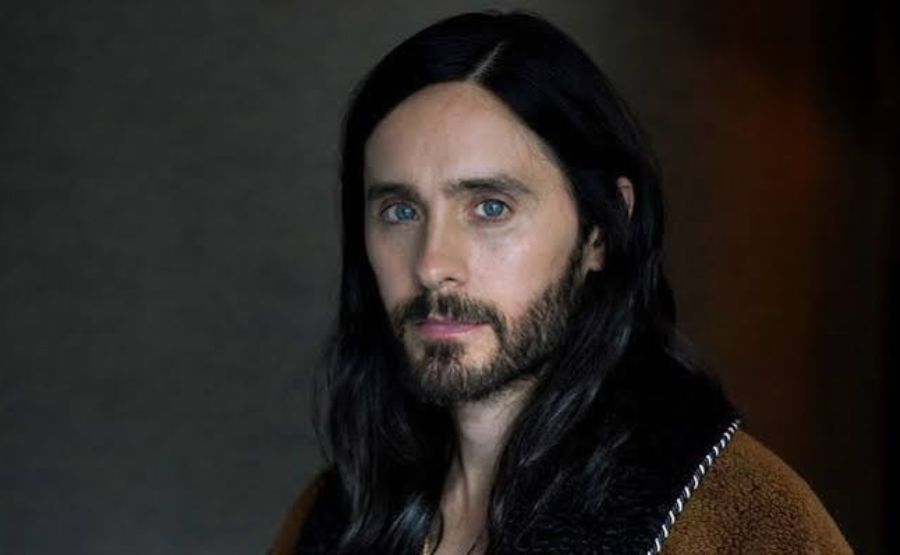
Mars Island Made It Impossible to Ignore
Then came 2019. Croatia. A private resort island. Three days of meditation, chanting, and barefoot wandering in caftans alongside Jared Leto. VIP packages going for $6,499 per person.
The photo that went viral showed Leto standing on a cliff, arms raised. His fans stood below him, arms outstretched in the same gesture. White clothing everywhere. The image was visceral and strange and — depending on your frame of reference — either beautiful or deeply concerning.
The band’s own tweet about it read: “Yes, this is a cult #MarsIsland.” They had been using that phrase in marketing materials since at least 2013. It appeared on merch. It showed up in music videos. Journalists had been calling the fan base a cult following for years and Leto had simply decided to lean all the way into it.
He said it was performance art. A provocation. His thing.
The Shift From Quirky to Serious
For years the cult conversation stayed mostly in the register of celebrity eccentricity. Jared Leto was famously intense. He was a method actor who sent his Suicide Squad costars dead rats and used condoms in character as the Joker. He lived on an island he owned with a collection of extreme sports enthusiasts. He was strange. People talked about it. Nobody called the authorities.
Then June 2025 happened.
Air Mail — a serious editorial operation — published an investigation called “The Cult of Leto.” Written by senior editor Elena Clavarino, it included interviews with nine women. Most were anonymous. They alleged a pattern of behaviour spanning years: unsolicited sexual messages, unwanted physical contact, disturbing behaviour at private parties.
The fan-cult context suddenly wasn’t separate from the misconduct allegations. It was the mechanism. The events, the community, the sense of special access — these were the structures through which women alleged they’d been targeted.
The BBC Documentary Raised the Stakes Further
July 2026. The BBC released Jared Leto: Hollywood’s Dark Secret. Ten women spoke on camera, including nine sharing their stories for the first time publicly. Four of them made specific allegations of criminal sexual conduct — alleged incidents between 2002 and 2016, when the women were teenagers and Leto was in his thirties and forties.
The specific allegations documented are serious. One woman said she was 17 during an alleged sexual assault. Another alleged statutory rape, also at 17. One said she was 19 when Leto threatened her with sexual assault. Another described being 16 when she received sexually explicit phone calls from him.
The BBC said it corroborated the women’s accounts and had reviewed pictures and messages in some cases. It also counted more than 120 separate online allegations relating to Leto’s behaviour toward women that had been made over the years. Two men who worked with Thirty Seconds to Mars told the BBC that band staff were uncomfortable about Leto’s interactions with teenage girls.
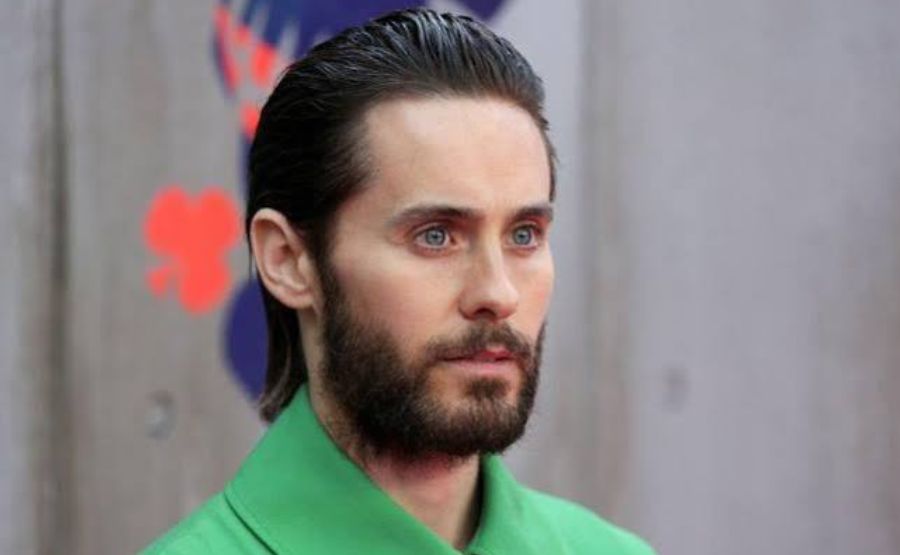
His Response
Leto said publicly: “I have never sexually assaulted anyone in my entire life. These claims are absolutely and categorically false.”
That statement went to the Associated Press after the BBC documentary aired. His team had earlier told Air Mail that “all of the allegations are expressly denied.” In response to specific accusers, his representatives offered point-by-point rebuttals claiming communications were not sexual and characterizing some accusers as having sought work with him afterward.
Notably, the BBC said Leto did not respond to its attempts to contact him for comment before the documentary aired. After publication, he denied everything.
No criminal charges have been filed against Jared Leto as of publication.
The Hollywood Question
Here’s the part that makes this story bigger than just Leto himself.
The BBC documentary was called Jared Leto: Hollywood’s Dark Secret — not just Jared Leto: Dark Secret. That title is a choice. It implicates an entire system.
The Air Mail investigation noted that for years, coverage of the fan community remarked that there was no evidence Leto had broken any laws and that fans seemed satisfied with the experience. In other words — the strangeness was visible. The cult language was being used publicly. The fan events were documented. And yet the broader conversation stayed in the entertainment-gossip register rather than the investigative-journalism register for a very long time.
Two male band staffers told the BBC they were uncomfortable with Leto’s conduct around teenage girls. That discomfort existed. Whether it was reported anywhere within the industry structure that might have acted on it is a question the documentary raises without fully resolving.
What the Echelon Thinks
This is genuinely complicated to navigate fairly.
The Echelon — Thirty Seconds to Mars’s fan base — is largely composed of people who have gotten real things from the community. Friendships. Belonging. Experiences they valued. Not everyone who attended Camp Mars or Mars Island felt manipulated or harmed. Some fans were adults who knew exactly what they were paying for and considered it worthwhile.
The vocal.media piece from a fan who participated in the events concluded plainly: “No, I wouldn’t say I escaped a cult.” The person described it as a celebrity fan experience with unusual intensity but didn’t feel psychologically coerced. That perspective exists and deserves acknowledgment.
The cult comparison gets slippery here. A community with unusual loyalty, heavy spending, and a charismatic leader who projects spiritual energy — that describes some concerning dynamics. It also describes the Beatles fanbase in 1965. Where you draw the line depends on what’s actually happening to the people inside it.
What’s specific to the Leto situation is the additional layer: the alleged behaviour toward the young women who came through those structures.
The Career Damage That’s Already Happened
Something worth noting: regardless of how the legal picture develops, Leto’s commercial standing in Hollywood shifted visibly after the allegations surfaced.
Tron: Ares, in which he starred, was released in late 2025 and reportedly underperformed at the box office. Whether that was attributable to him specifically or to multiple factors is genuinely debatable. But MovieWeb’s analysis was blunt: “his track record of appearing in flops may weigh more heavily than the allegations” — and that “misconduct allegations have made studios visibly wary of putting him front and center.”
He still appeared in Masters of the Universe in 2026 as Skeletor. He’s not cancelled in the conventional sense. But he’s not in the position he was before.
Final Words
Here’s where I land after reading everything available.
Yes, by the loosest definition — a devoted fan community centered on a charismatic leader who projects spiritual authority, charges premium prices for proximity access, and frames the whole thing with religious symbolism — something cult-adjacent existed around Jared Leto and Thirty Seconds to Mars.
Leto himself built it, named it, posted it, hashtagged it, and merchandised it. He wore the white robes. He raised his arms on the cliff. He wrote “Yes, this is a cult” and put it on the internet.
Whether that constitutes an actual cult by any meaningful psychological or sociological definition is a different question. Experts would probably call it a parasocial intensity with cult aesthetics rather than a genuine high-control group with the isolation mechanisms and coercive practices that define groups like NXIVM.
But the misconduct allegations are not about aesthetics. They’re about what allegedly happened to specific people within the access structures that the community created. Thirteen women — nine to Air Mail, four with specific criminal allegations to the BBC — have said something went seriously wrong. His representative says all of it is false.
No charges have been filed. This is still an allegation picture, not a verdict picture.
My opinion: the question “does Jared Leto have a cult?” was always the lighter version of a harder question. The harder question is whether the community he built around himself functioned as a mechanism for accessing vulnerable people. That’s what the investigations are actually about. And that conversation is not going away.
FAQs
1. Does Jared Leto actually have a cult?
He used the word himself, deliberately, starting at least from 2013 on band merchandise and since 2019 in a widely-shared social media post. His fan community — called the Echelon — has intense loyalty, premium paid access events, and religious-style imagery. Experts would debate whether it meets the definition of a cult, but the aesthetic and some structural elements are real.
2. What is Mars Island?
A three-day private fan retreat held in 2019 on a resort island off the coast of Croatia. VIP packages cost up to $6,499. Fans meditated, chanted, and spent time with Leto. The band posted about it officially under the hashtag #MarsIsland with the caption “Yes, this is a cult.”
3. What is the Echelon?
The official name for the Thirty Seconds to Mars fan community. Members describe their bond as going beyond music appreciation into a broader community identity. Leto himself has described them as “believers” and said the community functions like a family.
4. What are the misconduct allegations against Jared Leto?
In June 2025, Air Mail published an investigation with nine women alleging a pattern of misconduct including unsolicited sexual messages and unwanted physical contact. In July 2026, a BBC documentary featured four women specifically alleging criminal sexual conduct when they were teenagers — alleged incidents between 2002 and 2016.
5. Has Jared Leto been charged with any crime?
No. As of the time of publication, no criminal charges have been filed against Leto. All allegations remain in the civil-discourse sphere. He has denied everything.
6. What did Jared Leto say in response to the BBC documentary?
He issued a statement to the Associated Press: “I have never sexually assaulted anyone in my entire life. These claims are absolutely and categorically false.” The BBC noted he did not respond to their requests for comment before the documentary aired.
7. What is Camp Mars?
Annual multi-day fan events Thirty Seconds to Mars started around 2015 in Malibu, California. They featured activities like campfires, archery, and music alongside Leto and the band. They preceded the Croatia Mars Island retreat and established the premium-access-fan-community model.
8. Did any male staff members corroborate concerns?
Two men who worked with Thirty Seconds to Mars told the BBC they were uncomfortable about Leto’s interactions with teenage girls at the time.
9. How many allegations has the BBC counted?
The BBC documented more than 120 separate online allegations relating to Leto’s behaviour toward women, including both historical and more recent accounts.
10. Has Jared Leto’s career been affected?
Visibly, yes. Analysis suggests studios have become warier about putting him in lead roles after the allegations surfaced. Tron: Ares underperformed. He remains active — appearing in Masters of the Universe in 2026 — but his Hollywood position has shifted from the peak of his Dallas Buyers Club period.
11. Is the Echelon considered a harmful group?
Not by any formal assessment. There is no formal cult designation, no legal finding, and many fans describe their experience as positive. The concern raised by critics and investigators isn’t about the community itself being harmful to most members — it’s about the access structures it created and what allegedly happened to some women through those structures.
12. What was the Air Mail investigation specifically?
Published in June 2025 and titled “The Cult of Leto,” it was written by senior editor Elena Clavarino and featured interviews with nine women, most anonymous, detailing alleged misconduct by Leto including unsolicited sexual messages, unwanted advances, and disturbing behaviour at private parties. Leto’s representative denied all allegations at the time.
Discover stories that stand at the top with The Pinnacle Magazine.