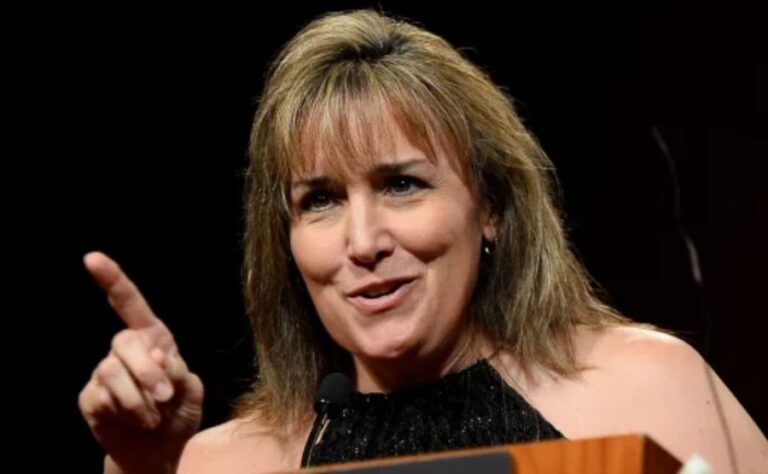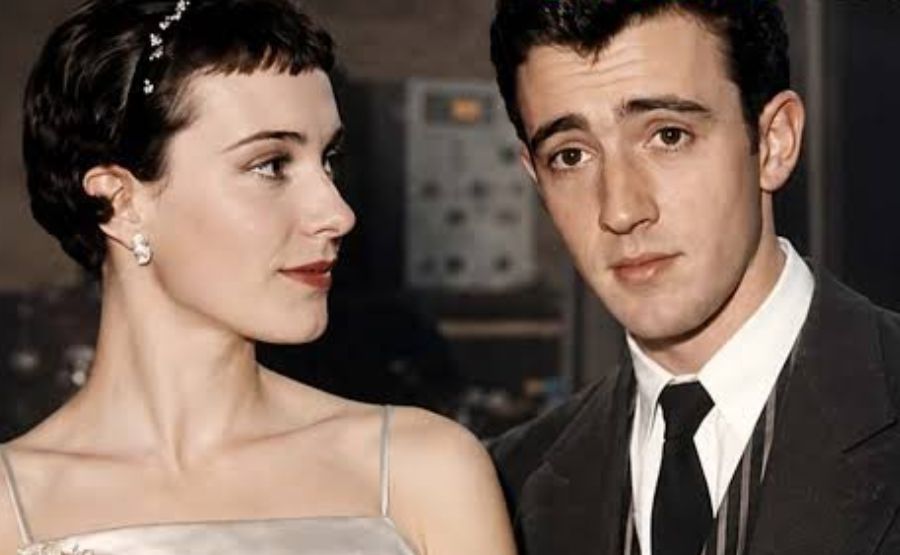
Harlene Rosen: Woody Allen’s Forgotten First Wife and the Woman Who Fought Back
She didn’t ask to be famous. She got married at 17, got publicly humiliated on national TV, sued her ex-husband for a million dollars, and then — very deliberately — disappeared. If you’re typing “Harlene Rosen” into a search bar right now, it’s probably because you stumbled onto something in a Woody Allen rabbit hole and thought, wait, who?
That’s the whole point. She doesn’t want you to know.
Quick Bio
| Detail | Info |
| Full Name | Harlene Susan Rosen |
| Born | 1939 or 1940, Brooklyn, New York |
| Nationality | American |
| Ethnicity | Jewish (raised in traditional Jewish household) |
| Father | Julius Rosen |
| Notable For | First wife of Woody Allen; defamation lawsuit against Allen and NBC |
| Marriage | Woody Allen (March 15, 1956 – November 1962) |
| Children | None |
| Alimony | $75/week; up to $175/week if Allen secured steady employment |
| Current Status | Believed alive, approximately 85–86 years old, privately based in the U.S. |
She Was a Teenager. He Was Already Calculating.
Here’s a detail that tends to get smoothed over in the glossy summaries: Harlene Rosen was sixteen years old when she got engaged to Woody Allen in 1955. Sixteen. He was nineteen. They married the following March, when she was seventeen and he was twenty. Both of them were still in New York University.
By any measure, that is a child getting married.
And before you say “different era” — yes, different era. Still worth noting. Especially when you learn what Allen himself said about why he married her.
In a 2015 NPR interview, Allen described the marriage as “fine,” then explained: it got him out of his parents’ house and into New York City. His words. His framing. He used her to escape his childhood home. He called her “a nice, smart person” — which is the exact sentence a man uses when he is trying very hard not to say anything else.
So let’s be real. Harlene Rosen was not the love of Woody Allen’s life. She was a teenager who played piano in his jazz band, got engaged because that’s what teenagers in 1955 sometimes did, and then spent six years inside a marriage that the other person wasn’t even in for the right reasons.
See also “Carrie Schenken: The Woman Who Washes Dogs While Her Wife Gets All the Fame“
She Was a Musician. He Took All the Credit for Being Interesting.
Before she was anybody’s ex-wife, Harlene was a pianist. A genuine one. She played classical piano and joined Allen’s early jazz band. That’s not a footnote — that’s a person with actual talent.
The irony is thick. She contributed to the creative atmosphere that helped launch his career. She was there while he was still a nobody writing gags for $25 a week at NBC, before he ever had a film, before Annie Hall or Manhattan or any of it. She was in the room.
She also — and this almost never gets mentioned — finished four years of college after the divorce. Allen was busy becoming famous. Harlene was quietly completing her education. Nobody gives her a standing ovation for that. They should.
The Marriage Was Rocky From Day One. He Admitted It.
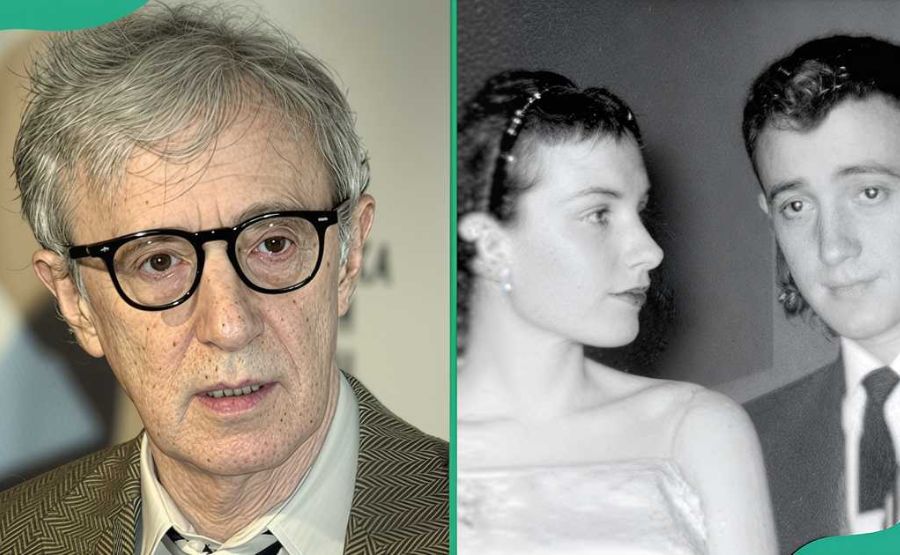
Their separation started before the ink was dry. In a November 1963 appearance on The Steve Allen Show, Woody Allen went on stage and told audiences that he’d had a bad marriage. His words: bad attitude, bad basic attitude toward his wife. Said he tended to place her “underneath the pedestal” — a quote that tells you everything about the dynamic.
Jack Victor, Allen’s close friend, told biographer David Evanier that there was no honeymoon period. At all. Victor had gotten letters from Allen during what was supposed to be the honeymoon, and even then he could see it wasn’t working. They were two young people who’d made a mistake and had no clean exit because New York divorce laws in the 1950s were a disaster.
They separated in 1959, three years in. The divorce wasn’t finalized until November 1962. So they stayed legally married for six years while actively not being together. That’s its own kind of purgatory.
Then He Put Her on Stage. Without Asking.
Here’s where it goes from sad to genuinely ugly.
Allen’s career started climbing. Nightclub sets. TV appearances. He was developing his neurotic, self-deprecating persona — the anxious New York intellectual who was terrible at relationships. And he mined his marriage to Harlene for material. Constantly.
He called her “the Dread Mrs. Allen” in his stand-up routines. He compared her to Quasimodo during nightclub performances. He turned their private life into a public punchline, and audiences laughed, and she had no microphone. No stage. No way to respond.
And then it got worse.
At some point during or just after their marriage, Harlene was sexually assaulted outside her apartment. This is documented. The newspapers at the time reported she had been “violated.” It was a traumatic event. A real one.
Woody Allen turned it into a joke.
When asked to comment, he told an interviewer: “Knowing my ex-wife, it probably wasn’t a moving violation.” He then repeated that same line on The Dick Cavett Show. The audience applauded.
Let that sit for a second.
A woman was assaulted. Her ex-husband made it into wordplay. The studio audience cheered. And Allen would later brag that she’d sued him for a million dollars — almost as though the lawsuit was also part of the act.
This is the context in which Harlene Rosen filed her lawsuit. Not because she was bitter. Not because she wanted attention. Because she had been publicly humiliated, repeatedly, by a man using his growing fame as a weapon against someone who had no platform to fight back.
She Took Him to Court. That Took Guts.
In 1967, Harlene Rosen filed a $1 million defamation lawsuit against Woody Allen and NBC. This was not a normal thing to do in the 1960s.
Think about the landscape. Comedy had enormous legal protections. Courts were deeply reluctant to rule against comedians on speech grounds. Allen was becoming famous fast — What’s New Pussycat? came out in 1965, What’s Up, Tiger Lily? in 1966. By the time the lawsuit was filed, he was making around $250,000 a year. She was a private individual with no celebrity, no platform, and no legal team anywhere near his.
She sued anyway.
A court issued a temporary cease-and-desist order, which forced Allen to stop making jokes about her publicly. The case was eventually settled out of court in the early 1970s. The financial terms were never disclosed.
What that lawsuit actually established was a principle: you don’t get to use someone’s trauma as entertainment material just because you got famous and they didn’t. That wasn’t a popular argument to make in 1967. She made it anyway.
Some legal historians point to this case as early groundwork in the conversation about privacy rights for people connected to public figures. Whether or not that’s overstating it — the fact that she tried, and won a temporary order, says something.
The Divorce Settlement Was Almost Insulting
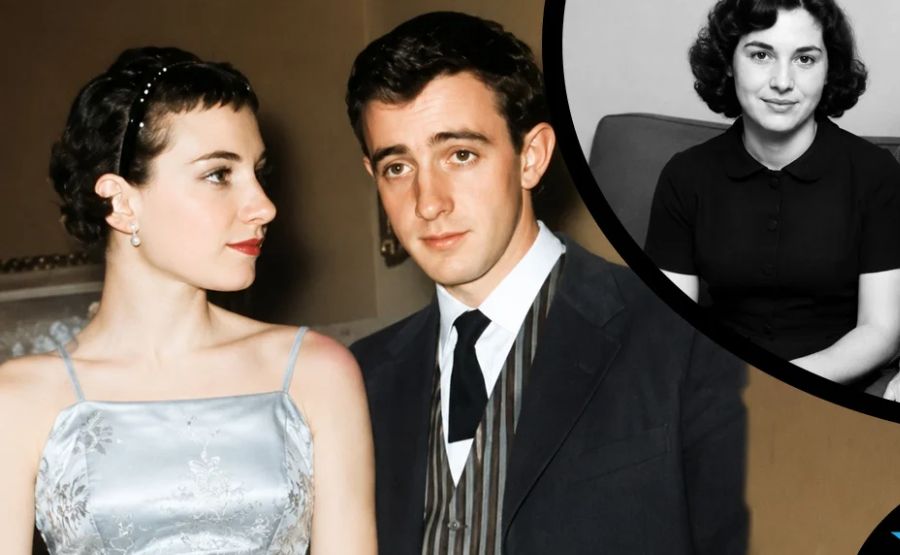
Back to 1962 and the actual money. The court ordered Allen to pay Harlene $75 per week in alimony. If he got steady work, that bumped up to $175 per week.
To frame that: before Allen dropped out of NYU to pursue comedy full-time, he was making $25 per week writing jokes. By the time the divorce was finalized, he was making roughly $1,500 per week. That’s according to Time magazine from the era.
So the court told him to pay his ex-wife — whose teenage years he’d essentially used as a launchpad, and whose trauma he’d turned into a punchline — $75 a week. While he was taking home $1,500.
She walked away from six years of that marriage and got $75 a week until she remarried.
She never remarried.
She just… Vanished. On Purpose.
After the lawsuit settled, Harlene Rosen did something that basically nobody in her position does: she refused to be a story.
No memoirs. No interview circuit. No tell-all book. No reality TV. No podcast. She didn’t become one of those people who commodifies their connection to a famous person because the famous person moved on and they didn’t.
She finished her college education. She built a private life. She let the world forget about her, and she seems to have been genuinely fine with that.
You want to know where she is right now? Nobody does. That’s the point. She’s somewhere in the United States, believed to be alive, around 85 or 86 years old, and completely unreachable. She has been unreachable for over sixty years. That kind of discipline is actually astonishing when you think about how many people in her situation would have talked.
And Then She Forgave Him Anyway
The 2015 moment is the one that trips everyone up.
Woody Allen turned 80 in December 2015. His biographer, David Evanier, was working on Woody: The Biography. And Harlene Rosen — out of nowhere, after more than fifty years of silence — sent Evanier a statement for the book.
She addressed it to her ex-husband. She called him “Wondrous Woody.”
She wrote that he inspired her with his energy, his creativity, his charisma. She said she loved going to movies with him and making music with him. She acknowledged the difficulty of their marriage, noted that he built a career and she finished college, and ended with this: there was sadness, tears, laughter, and love.
No bitterness. No score-settling. Just… a reflective note from an 85-year-old woman acknowledging that a complicated person had also once meant something to her.
People debate what to do with that moment. Some see it as a complete class. Others find it slightly uncomfortable — forgiving someone who turned your assault into a punchline is a complicated thing, and she gets to decide how she processes that, not us.
But read what she didn’t do. She didn’t go on television. She didn’t give an interview to accompany the message. She sent it through a biographer, said what she wanted to say, and went back to her private life. Not a comeback. Just a closing sentence.
What She Actually Represents
Here’s the honest take: Harlene Rosen is not famous. She’s not trying to be. She is, in a very specific sense, the backstory to a famous person’s origin story — the first draft of a character type Allen would spend decades writing about.
Every neurotic Woody Allen film marriage. Every joke about failed relationships. Every bit about anxious New York love going sideways. Some of it traces back to those six years with Harlene.
She fed material into a machine that made another person wildly famous. She got $75 a week and some nightclub jokes in return. She fought back, won a temporary order, and then got out.
That’s not a tragedy. That’s also not nothing. It’s complicated, like most real things are.
What’s actually impressive is that she chose — deliberately, for six straight decades — not to let that be her entire identity. She’s not “Woody Allen’s first wife.” She’s Harlene Susan Rosen, who played piano, finished college, sued a famous comedian in 1967 when that was nearly unheard of, and then went home and lived her life.
We just don’t know what that life looked like. And she planned it that way.
Final Words
Look. Woody Allen is a deeply complicated figure. His personal history — from Harlene to Soon-Yi — has always been tangled and uncomfortable. He married his second wife’s stepdaughter. His daughter Dylan Farrow has made abuse allegations that never resulted in charges but never fully went away either.
Harlene Rosen is the first chapter of that story. And what’s interesting is that she’s the one who handled it with the most dignity. She didn’t perform her suffering for public consumption. She got what minimal justice she could, then left.
The “moving violation” joke alone — made by a man about his ex-wife’s sexual assault, in front of a national television audience, for laughs — should be a bigger part of how we talk about Allen’s legacy. It rarely is.
She made it a legal matter. That was the right call.
And sixty-some years later, she called him “Wondrous” anyway. Which is either the most gracious thing anyone has ever done or the most mysterious. Maybe both.
She was 17 when she walked into that marriage. She’s probably 85 or 86 now, somewhere quiet. Good for her.
FAQs
1. Who is Harlene Rosen?
She’s Woody Allen’s first wife. They were married from 1956 to 1962, during the earliest years of his career. After their bitter divorce and a legal dispute, she completely withdrew from public life and has remained private ever since.
2. How old was Harlene Rosen when she married Woody Allen?
She was 17. He was 20. They had gotten engaged the year before, in 1955, when she was 16 and he was 19. The wedding took place on March 15, 1956, at the Hollywood Hawaiian Hotel in Los Angeles.
3. Why did Harlene Rosen sue Woody Allen?
She filed a $1 million defamation lawsuit against Allen and NBC in 1967 because he was repeatedly mocking her in public — including calling her degrading names during nightclub acts and on television — and most egregiously, making jokes about her sexual assault on national TV. A court granted a temporary cease-and-desist order against him. The case settled out of court in the early 1970s.
4. Were Woody Allen and Harlene Rosen parents?
No. They had no children together. Their separation was in 1959, and the divorce was finalized in November 1962.
5. What was the “moving violation” joke?
After Harlene was sexually assaulted outside her apartment, newspaper coverage used the word “violated.” Allen made a wordplay joke in an interview — “Knowing my ex-wife, it probably wasn’t a moving violation” — and then repeated it on The Dick Cavett Show. The studio audience laughed. Harlene eventually made it a condition of divorce negotiations that he stop using her assault in his act. He kept going anyway, which contributed to the lawsuit.
6. How much alimony did Harlene Rosen receive?
The court ordered Allen to pay $75 per week, which could rise to $175 per week if he secured steady employment — and this continued until she remarried. By the time the divorce was finalized, Allen was earning roughly $1,500 per week. She never remarried, so the arrangement theoretically continued indefinitely, though the terms of any later renegotiation are not public.
7. Where is Harlene Rosen now?
Nobody knows, which is exactly how she wants it. She’s believed to be somewhere in the United States, alive, approximately 85–86 years old. No social media presence, no public records of interviews, no statements beyond the 2015 birthday message through Allen’s biographer. She has maintained this level of privacy for over six decades.
8. Is Harlene Rosen still alive?
As of the time of this writing, there are no reports of her death. She is believed to be alive, which would make her around 85 or 86 years old.
9. What did Harlene Rosen do after the divorce?
She completed a four-year college degree — something she confirmed in her 2015 statement, mentioning it specifically as what she accomplished while Allen was building his career. Beyond that, her personal and professional life post-1962 is not publicly documented.
10. What was Harlene Rosen’s 2015 message to Woody Allen?
She sent a written statement to biographer David Evanier for inclusion in Woody: The Biography, timed to Allen’s 80th birthday. In it, she addressed him as “Wondrous Woody,” acknowledged the genuine creativity and charisma she saw in him, and reflected on the difficulty of their early marriage without bitterness. She noted they both grew up during that period — he established a career, and she completed college. The tone was measured and, frankly, dignified given the circumstances.
11. Did Harlene Rosen play music?
Yes. She was a pianist, trained in classical piano, and she played in Woody Allen’s early jazz band. Music was a genuine shared interest that brought them together in the first place, and she continued to value it privately throughout her life.
12. Why do so few people know who Harlene Rosen is?
Partly because Allen became so famous that she got buried in his story, and partly because she worked extremely hard to keep it that way. She gave no interviews, sought no attention, wrote no memoir, and made a conscious decision to live outside the spotlight her entire adult life. For someone connected to one of the most written-about figures in American cinema, that level of privacy is almost a superpower.
Discover stories that stand at the top with The Pinnacle Magazine.