
Recovery is not simply about resting after a workout. Behind every training session, long run or physically demanding day, the body is continuously working to restore energy, maintain tissues and adapt to physical stress. At the cellular level, these processes depend on adequate nutrition, sleep, movement and overall lifestyle habits.
For athletes, fitness enthusiasts and anyone interested in maintaining physical performance, supporting cellular health can be a useful part of a balanced recovery strategy. Rather than relying on one food, supplement or technique, a combination of consistent habits can provide a stronger foundation.
From quality sleep and nutrient-rich foods to resistance training and hydration, there are several practical ways to support the body’s natural recovery processes. Certain nutritional compounds, including calcium alpha-ketoglutarate (Ca-AKG), are also attracting interest as part of healthy ageing and cellular health routines.
Here is how you can support cellular health naturally and build better recovery habits.
What Is Cellular Health?
Cells are the basic working units of the body. They need energy, nutrients and appropriate environmental conditions to carry out normal functions.
During physical activity, muscles place increased demands on energy production and tissue maintenance. Exercise also creates temporary physiological stress, which is part of the body’s normal adaptation process.
Good cellular health is therefore closely connected with broader lifestyle factors such as:
- Balanced nutrition
- Regular physical activity
- Sufficient sleep
- Hydration
- Stress management
- Healthy body composition
- Adequate intake of essential nutrients
Supporting these areas can help create favourable conditions for normal recovery and physical performance.
1. Prioritise Quality Sleep
Sleep is one of the most overlooked parts of recovery. While you sleep, the body continues carrying out important maintenance processes that support physical and mental wellbeing.
Athletes and active individuals may have particularly high recovery demands. Regularly getting enough sleep can help you feel more prepared for training and everyday activities.
Practical ways to improve sleep
Try to maintain a consistent bedtime and wake-up schedule, even at weekends. Keep your bedroom cool, dark and comfortable, and reduce exposure to stimulating screens close to bedtime.
It can also help to avoid large meals, excessive caffeine and intense activity immediately before bed.
Instead of looking for complicated recovery strategies, improving sleep quality can be one of the simplest changes to make.
2. Eat for Cellular Energy and Recovery
Nutrition provides the raw materials the body needs for normal cellular function. A varied diet containing protein, complex carbohydrates, healthy fats, vitamins and minerals can support an active lifestyle.
Include protein-rich foods
Protein supplies amino acids that contribute to the maintenance of muscles and other tissues. Depending on individual dietary preferences, useful sources include eggs, fish, poultry, dairy products, beans, lentils, tofu and other plant-based options.
Don’t overlook micronutrients
Vitamins and minerals are also important. Foods such as leafy greens, berries, vegetables, whole grains, nuts, seeds and legumes can help provide a broad range of nutrients.
A colourful plate is often a simple way to increase dietary variety.
For people following restrictive diets, athletes with higher nutritional demands or those concerned about specific nutrient intake, professional dietary advice may be worthwhile.
3. Stay Properly Hydrated
Water plays an important role in many normal physiological processes. Even mild dehydration can make exercise feel more difficult and may affect how you feel during and after physical activity.
Your hydration requirements depend on factors such as exercise intensity, duration, temperature and individual sweat rate.
For everyday activity, drinking water regularly throughout the day is a straightforward approach. During prolonged or intense exercise, especially in warmer conditions, electrolyte intake may also need consideration.
Rather than waiting until you feel extremely thirsty, make hydration part of your daily routine.
4. Use Exercise as a Recovery Tool
It may sound counterintuitive, but appropriate movement can be part of an effective recovery routine.
Regular exercise supports cardiovascular fitness, muscular strength and metabolic health. However, more training is not always better. Recovery becomes important when training volume and intensity increase.
Combine different forms of activity
A balanced routine could include:
- Resistance training for strength
- Walking or low-intensity cardio for movement
- Mobility exercises for flexibility and range of motion
- Higher-intensity sessions when appropriate
- Rest or lighter training days
Active recovery, such as gentle walking or cycling, can be useful between demanding sessions without adding excessive training stress.
The key is finding a sustainable balance between training stimulus and recovery.
5. Support Cellular Processes Through Nutrition
Some nutrients and naturally occurring compounds are being studied for their relationship with energy metabolism, healthy ageing and cellular function.
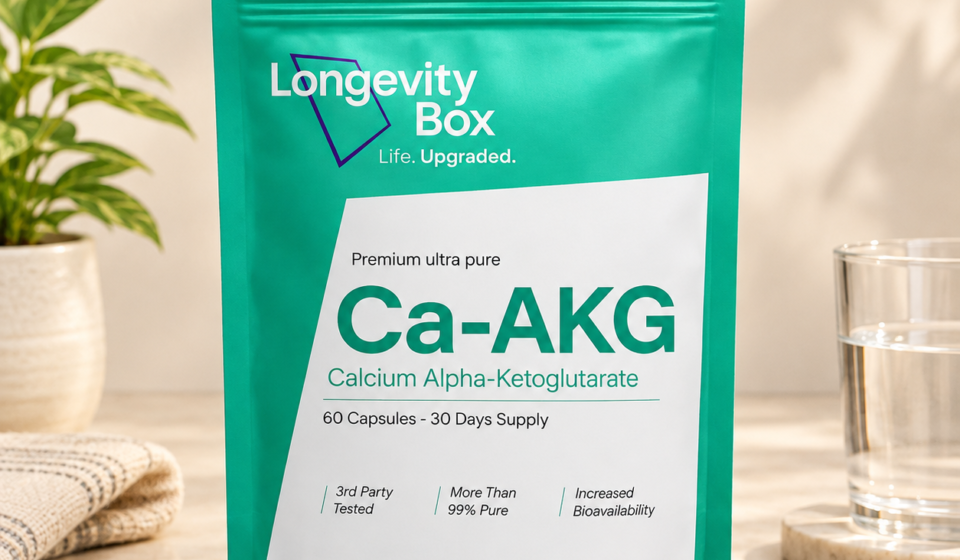
One compound receiving attention is calcium alpha-ketoglutarate, commonly abbreviated as Ca-AKG. Alpha-ketoglutarate is involved in the Krebs cycle, a series of biochemical reactions associated with cellular energy metabolism.
A ca akg supplement may therefore appeal to people interested in nutritional approaches to supporting healthy ageing and cellular health. However, supplements should complement—not replace—a balanced diet, appropriate exercise, quality sleep and other foundational habits.
If you are considering a ca akg supplement, choose products from reputable sources and follow the manufacturer’s recommended serving instructions. People with medical conditions, those taking medication or anyone unsure whether a supplement is appropriate should speak with a qualified healthcare professional before use.
6. Include Antioxidant-Rich Foods
Physical activity naturally increases metabolic activity, and the body has its own antioxidant systems to help maintain balance.
Rather than focusing on individual antioxidant products, build variety into your diet.
Berries, citrus fruits, tomatoes, peppers, broccoli, spinach, herbs, nuts and seeds all provide different plant compounds and nutrients.
This approach is more practical than trying to identify one “superfood” responsible for cellular health.
Think about dietary variety
Different coloured fruits and vegetables contain different combinations of naturally occurring compounds. Eating a broad range throughout the week can make your diet more nutritionally diverse.
7. Manage Everyday Stress
Recovery is not only physical. Psychological stress can also influence sleep, energy levels, motivation and general wellbeing.
Simple stress-management practices may include walking outdoors, breathing exercises, meditation, hobbies, social connection or taking short breaks during a busy working day.
For active individuals, this matters because training itself is a form of physical stress. Allowing time for relaxation can help create a more balanced lifestyle.
8. Avoid the “All or Nothing” Approach
One of the biggest mistakes people make when trying to improve recovery is changing everything at once.
Instead, focus on sustainable improvements.
For example, you could start by:
- Establishing a consistent sleep schedule.
- Adding more vegetables and protein-rich foods to meals.
- Drinking water regularly throughout the day.
- Scheduling rest days around demanding workouts.
- Introducing a simple mobility routine.
- Reviewing whether supplements are appropriate for your individual needs.
Small changes become more useful when they are repeated consistently.
How Supplements Fit Into a Recovery Routine
Supplements can be convenient when dietary intake does not fully meet an individual’s nutritional goals. However, they should be viewed as part of a wider lifestyle rather than a shortcut to recovery.
A ca akg supplement, for example, may be considered by people exploring nutritional strategies around cellular energy metabolism and healthy ageing. Research into Ca-AKG and related compounds continues to develop, so it is sensible to consider the available evidence and individual circumstances rather than expecting a guaranteed outcome.
The basics remain important: adequate food, sleep, hydration, sensible exercise and recovery time.
A Simple Daily Cellular Health Routine
A practical routine does not need to be complicated.
Morning: Start with water and a balanced breakfast containing protein and nutrient-rich foods.
During the day: Stay active, eat a varied diet and take regular movement breaks if you have a desk-based job.
Before training: Make sure you have adequate energy and hydration for your session.
After training: Rehydrate and eat a balanced meal containing protein and carbohydrates.
Evening: Reduce unnecessary stimulation, allow time to unwind and maintain a consistent sleep schedule.
This type of routine can provide a strong foundation for long-term wellbeing and physical recovery.
Frequently Asked Questions
1. What is cellular health?
Cellular health refers broadly to how well cells maintain their normal structure, energy processes and functions. Nutrition, physical activity, sleep and lifestyle habits all contribute to the environment in which cells operate.
2. Can exercise support cellular health?
Yes. Regular physical activity can support cardiovascular fitness, metabolic health and the body’s ability to adapt to physical demands. Recovery between demanding sessions is equally important.
3. What foods support cellular health?
A varied diet containing vegetables, fruits, whole grains, legumes, nuts, seeds, protein-rich foods and healthy fats can provide a wide range of nutrients that support normal cellular functions.
4. What is Ca-AKG?
Ca-AKG stands for calcium alpha-ketoglutarate. Alpha-ketoglutarate is a compound involved in cellular energy metabolism. Ca-AKG supplements are used by some people as part of broader nutritional and healthy-ageing routines.
5. Is a Ca-AKG supplement necessary for recovery?
Not necessarily. Supplements are not a substitute for good nutrition, sleep, hydration or appropriate training. Whether a ca akg supplement is suitable depends on individual dietary needs, health circumstances and personal goals.
Conclusion
Better recovery starts with the fundamentals. Consistent sleep, nutritious food, adequate hydration, sensible exercise and effective stress management can all contribute to a lifestyle that supports normal cellular function.
For athletes and fitness enthusiasts, the goal should not be to search for a single recovery solution. Instead, think about the bigger picture and build habits that are realistic enough to maintain over time.
Nutritional compounds such as Ca-AKG may have a place within a broader approach to cellular health, but they work best when considered alongside the foundations of good health.
For those interested in exploring quality nutritional products as part of a balanced lifestyle, Longevity Box Ltd offers a range of supplements designed to complement everyday health and wellbeing routines.