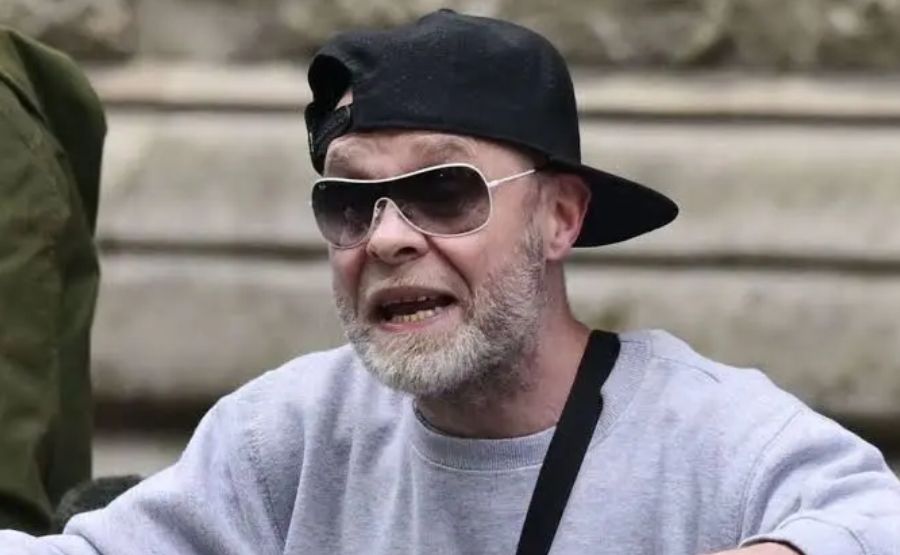
Brian Harvey E17: The Walthamstow Boy Who Had Everything, Lost It Spectacularly, and Never Really Left

Here’s a stat that should stop you in your tracks. “Stay Another Day” generates an estimated £97,000 in royalties every single year according to PRS for Music figures. It topped the charts in fifteen countries. It’s been a UK Christmas institution for thirty years. And the lead singer who sang it told The Independent in 2015 that he couldn’t afford a Christmas dinner.
That gap — between what Brian Harvey achieved and what he received — is the real story of Brian Harvey and E17. Not the ecstasy interview. Not the baked potato incident. That gap.
Quick Bio
| Category | Details |
| Full name | Brian Lee Harvey |
| Born | 8 August 1974, Walthamstow, London |
| Band | East 17 (1991–1997, reunion periods after) |
| Band name origin | Named after E17 — the postcode of Walthamstow |
| Other members | Tony Mortimer, Terry Coldwell, John Hendy |
| Debut album | Walthamstow (1992) — reached UK Albums Chart number one |
| Biggest hit | “Stay Another Day” — UK Christmas number one 1994 |
| Records sold | 18 million worldwide |
| Top 10 UK hits | 12 |
| Sacked from East 17 | January 18, 1997 — ecstasy interview controversy |
| Briefly rejoined as | E-17 (1998–1999) |
| 2005 car incident | Ran over by his own car — punctured lung, broken ribs, fractured pelvis |
| 2019 | Arrested (and released) by Metropolitan Police after concerning YouTube livestream |
| Current activity | Solo collaborations, social media, live performances, royalties dispute |
| Estimated net worth | Around £1 million (various sources) |
Start Here: The Band That Shouldn’t Have Worked
East 17 formed in 1991 in Walthamstow, east London. Four lads from the same postcode — E17, which became the band’s actual name. Tony Mortimer was the creative engine, writing almost everything. Terry Coldwell and John Hendy completed the lineup. And Brian Harvey? He came in as a backing vocalist and dancer.
He got promoted. Fast. Because the kid could sing.
That vocal range — somewhere between soul-influenced pop and raw east London charisma — became the band’s defining sound. Their debut album, Walthamstow, went to number one on the UK Albums Chart in 1992. They’d barely been a band for a year. They were getting chased down streets and screamed at in shopping centres. And they were, depending on who you ask, the cooler counterpart to Take That in the great 90s British pop battle.
East 17 were the rough boys. The ones from the postcode. Where Take That felt polished and produced for the mainstream, East 17 had an attitude that felt genuinely earned — baggy clothes, Walthamstow swagger, Mortimer’s production that sat somewhere between pop and R&B before R&B dominated British radio.
See also “Camille Monfort: The Amazonian Vampire Who Was Too Dangerous to Be Real“
“Stay Another Day” and Why It Stings
November 1994. “Stay Another Day” enters the UK singles chart at number seven. By Christmas it’s number one. It tops charts in fifteen countries — Denmark, Ireland, Sweden, Zimbabwe. It lands in the top ten in Australia, France, and the Netherlands.
What most people don’t know is what that song is actually about. Tony Mortimer wrote it about his brother’s suicide. The white jackets in the video, the snow, the grief that runs through every note of it — that’s not an aesthetic choice. That’s personal devastation translated into a three-minute pop song.
And the irony that hollows you out? That song generates roughly £97,000 a year in royalties. Every Christmas it gets dusted off, played in shopping centres and on radio stations and in Christmas adverts. Brian Harvey’s voice fills Britain’s Decembers annually. And for years, he’s been living off benefits, unable to afford December at all.
The royalties never reached him the way they should have. The band sold 18 million records total. Harvey told The Independent plainly: he sits there every Christmas hearing himself and doesn’t have money for a Christmas dinner. That’s not dramatic phrasing. That’s what he said.
The Interview That Blew Everything Up
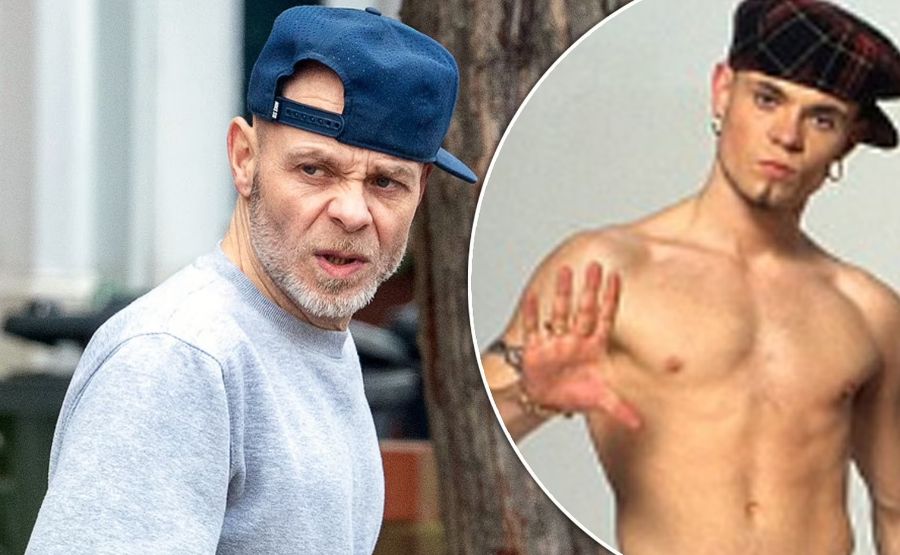
January 1997. East 17 are promoting a new single, “Hey Child.” Brian Harvey sits down for a radio interview. And then — in what has to rank as one of the most consequential two minutes in 90s British pop — he starts talking about ecstasy.
He said it makes you feel better. That it can make you a better person. That life’s too short. And then, the bit that sent the whole country into meltdown: he said he’d taken twelve pills in a single night and driven home afterwards without any problem.
Twelve. Pills. In one night. And drove home.
Within hours, seventeen radio stations had banned East 17’s music. DJs were literally smashing the “Hey Child” single on air. Questions were raised in the House of Commons. The Prime Minister, John Major, was asked to respond. MPs were reporting twelve-year-old constituents taking down their East 17 posters.
Harvey apologised. Immediately. “Never take ecstasy — it can kill you.” He called his own comments stupid and completely out of order.
It didn’t matter. The remaining three members released a statement the following day: his remarks didn’t reflect the views of the band and they could not condone illegal drug use under any circumstances. January 18, 1997, Harvey was sacked. The band he’d helped build from a Walthamstow postcode into a 18-million-record-selling phenomenon closed the door on him in a matter of hours.
Tony Mortimer didn’t last long after that either — he quit months later citing creative differences. The band that broke up because of Brian Harvey essentially broke up twice in the same year.
The Brief Comeback Nobody Quite Remembers Right
Terry Coldwell and John Hendy didn’t stay away long. By 1998 they’d reinstated Harvey and relaunched under the name E-17 — note the hyphen, distinguishing it from the original. They put out two singles. It wasn’t quite what it had been. The cultural moment had moved on, the lineup wasn’t complete, and Mortimer’s songwriting had been the invisible backbone of almost everything East 17 ever recorded.
Harvey went solo after that. Signed a deal, released material, kept going. In 2001 he collaborated with another artist. In 2005 there was a performance in Mongolia with Coldwell and Hendy of all places — which is one of those facts that sounds made up but absolutely isn’t.
He’d appear on CD:UK around that time announcing possible original-lineup comebacks. Channel 4 broadcast a documentary in 2007 — East 17: The Reunion — tracking the rise, fall, and attempted relaunch. The band continued performing in various configurations without Mortimer. Harvey kept singing.
2005: The Year That Defined Everything After
Two things happened to Brian Harvey in 2005 that you need to know about. Both were serious. Both shaped everything that came after.
First: his grandmother died while he was competing on I’m a Celebrity, Get Me Out of Here. He left the show. By multiple accounts, between the grief, the career struggles, the financial pressure, and everything that had accumulated since 1997, Harvey was in a very dark place. He was hospitalised that year following what was widely reported as a suicide attempt. He had been diagnosed with clinical depression.
Second: the baked potato incident. And I realise writing that sentence after the previous paragraph is a jarring tonal shift — but this is Brian Harvey’s life, and his life has never been tonally consistent.
Harvey ran over himself with his own car. He’d reportedly eaten too many jacket potatoes, felt unwell leaning out of the car door, and the vehicle rolled forward. He sustained a punctured lung, broken ribs, and a fractured pelvis.
The tabloids had an absolute field day. The man who’d boasted about surviving twelve ecstasy tablets was nearly finished off by baked potatoes. The jokes wrote themselves, and most of Britain made them without much thought about the person involved.
Harvey himself, characteristically, eventually took it with some philosophical acceptance. “You’ve gotta laugh,” he reportedly said after his full recovery.
The Mental Health Conversations He Started Anyway
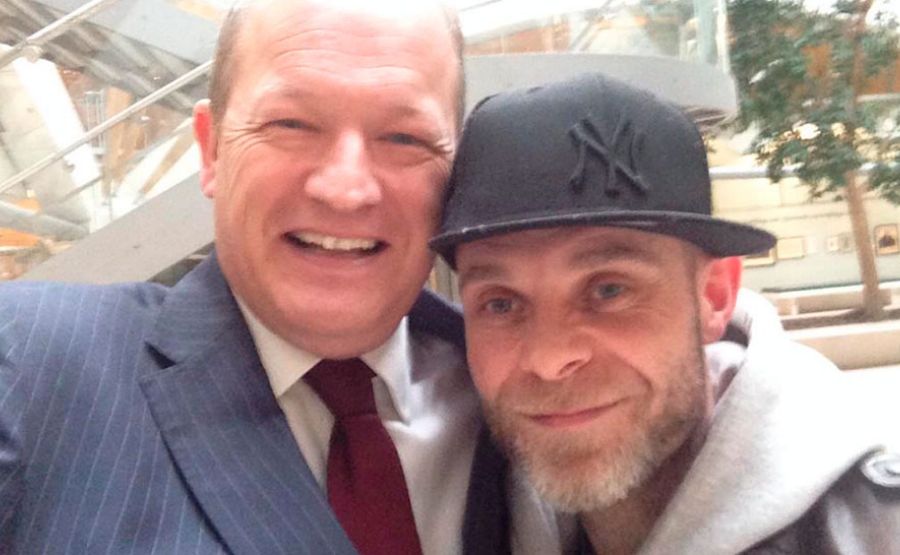
Here’s something that gets less coverage than the baked potato jokes and the ecstasy headlines. Brian Harvey has been publicly, openly candid about his mental health for years in a way that was ahead of the conversation when he started having it.
In 2015 he told The Independent about continuing to experience suicidal thoughts. He described arguments with medics. He talked about what it’s like when desperation takes over. And then he said something that matters regardless of what you think of his public persona: he called for walk-in mental health centres specifically available in the middle of the night, for exactly the moments when people feel most alone and most at risk.
That’s not the raving of someone who’s lost the plot. That’s a man describing a genuine gap in mental health provision with clarity borne from personal experience. Whether the press gave it the weight it deserved is a different question.
The YouTube Years and The Present Tense
Brian Harvey has not quietly faded away. He is extremely, consistently online. His TikTok and YouTube presence in the 2020s has been… spirited. He’s been vocal about royalties disputes. He’s appeared outside the High Court. He made a video directly addressing Prince Harry, calling for unity and justice, saying “I’ve got you brother.” He’s talked about fraud allegations. He performs live. He’s released collaborative tracks — including material with Cryptik Soul in 2019 and 2024.
In March 2019, Metropolitan Police arrested him after concerning comments made during a live YouTube stream, though he was later released. That event was documented by Wikipedia and widely reported.
The person watching Brian Harvey’s current output needs to understand who they’re watching. This isn’t a conventionally managed celebrity navigating their brand. This is a man who had his career atomised at twenty-two, spent years in genuine financial hardship despite contributing to a Christmas classic, weathered serious health crises, and now speaks his mind on the internet with zero filter and considerable volume.
Whether you find it compelling or uncomfortable or both depends on you. But it’s real. And it’s Brian Harvey.
What Actually Happened to the Money
Let’s revisit the royalties situation because it deserves more attention than it usually gets. “Stay Another Day” is a perennial. It doesn’t go away. It was ranked number 41 in The Guardian’s list of the 100 greatest UK number ones in 2020. YouGov polls regularly survey whether Brits consider it a Christmas song — it is, effectively, considered a Christmas song by the culture whether or not it formally qualifies.
The PRS for Music estimate of £97,000 per year in royalties is the key number. That money exists. It flows somewhere annually. For Brian Harvey to have simultaneously contributed to that song’s cultural footprint and struggled to fund a Christmas dinner is a specific kind of music industry failure that doesn’t get examined enough.
Songwriting credits tell part of the story. “Stay Another Day” was written primarily by Tony Mortimer, with production from Ian Curnow. Harvey’s contribution was as vocalist — and historically, vocalists in pop groups don’t own publishing rights to songs they didn’t write. That structure is why the industry works the way it does. It’s also why Brian Harvey can be heard on every British radio station in December and still be living differently from what that airplay might suggest.
Final Words
The Brian Harvey story the tabloids told was about a pop star who imploded through his own stupidity — the ecstasy comments, the baked potato, one humiliation after another. And if you only read the headlines, that’s the story you get.
The real story is more complicated and considerably more human. A kid from Walthamstow with a genuine voice joined a band, worked to build something real, and contributed to one of the most-played British pop songs of the last three decades. Then a two-minute radio interview ended his career at twenty-two. The money from what he helped create never really reached him properly. He battled serious mental health issues for years in public, talked about them honestly before it was fashionable to do so, and kept going anyway.
Is he always easy to watch? No. His current social media presence is not carefully managed and sometimes veers into territory that makes people uncomfortable. But discomfort isn’t the same as irrelevance.
Brian Harvey E17 is the story of what British pop does to its working-class kids when the cameras stop rolling. He’s still here. He’s still making noise. And every December, his voice reminds the whole country that he exists — even if the industry forgot to make sure he got paid for it properly.
FAQs
1. Who is Brian Harvey and what is E17?
Brian Harvey is an English singer born on 8 August 1974 in Walthamstow, London. He was the lead vocalist of East 17 — a British boy band named after the E17 postcode of their Walthamstow hometown. The group formed in 1991, sold 18 million records worldwide, and scored twelve UK top-ten hits before their first major disbandment in 1997.
2. What was East 17’s biggest hit?
“Stay Another Day,” released in November 1994. It became the UK Christmas number one that year and topped charts in fifteen countries including Denmark, Ireland, and Sweden. Tony Mortimer wrote it about his brother’s suicide. It generates an estimated £97,000 in annual royalties according to PRS for Music figures and remains a permanent fixture in British Christmas culture.
3. Why was Brian Harvey sacked from East 17?
On January 18, 1997, Harvey was dismissed following a radio interview in which he appeared to condone ecstasy use, claimed to have taken twelve pills in a single night, and suggested the drug was safe and could make you feel better. The fallout was immediate — seventeen radio stations banned East 17 music, questions were raised in Parliament, and the Prime Minister was asked to comment. The remaining three members issued a statement and removed Harvey from the group within a day.
4. Did Brian Harvey ever rejoin East 17?
Yes. Terry Coldwell and John Hendy reinstated him in 1998, relaunching under the name E-17. Tony Mortimer did not return — he’d left citing creative differences months after Harvey’s original dismissal. The E-17 iteration released two singles. Subsequent years saw various East 17 lineups performing without Mortimer, with Harvey involved in different configurations over time.
5. What happened to Brian Harvey in 2005?
Two significant events. He left I’m a Celebrity, Get Me Out of Here during filming following the death of his grandmother. He was subsequently hospitalised in what was widely reported as a suicide attempt, having been diagnosed with clinical depression. That same year he was also injured when his own car rolled forward and ran over him, leaving him with a punctured lung, broken ribs, and a fractured pelvis.
6. Why doesn’t Brian Harvey get royalties from “Stay Another Day”?
“Stay Another Day” was written primarily by Tony Mortimer. Publishing royalties flow to songwriters and their associated rights holders. Harvey performed on the record as lead vocalist but did not write the song, so the PRS royalties generated by the track’s ongoing use go elsewhere. This industry structure — common in pop groups — explains why Harvey has spoken publicly about financial hardship despite the song’s enduring commercial success.
7. What did Brian Harvey say about his mental health?
He’s been openly candid over many years. In a 2015 interview with The Independent he spoke about continuing to experience suicidal thoughts and difficult moments. He also called for walk-in mental health centres specifically available overnight for people in crisis. He has spoken publicly about the need for better mental health funding and provision, drawing directly on his own experiences.
8. What is Brian Harvey doing now?
He’s active on social media including YouTube and TikTok, continues performing live, and has released collaborative music tracks into the 2020s — including material with Cryptik Soul in 2019 and 2024, and a 2023 track with Rocket Dubz. He has been publicly vocal about royalties disputes and has appeared outside the High Court in relation to legal matters. His online presence is characterised by unfiltered commentary on his personal battles and broader institutional concerns.
9. Was Brian Harvey involved in any other controversies after the ecstasy incident?
Yes. In March 2019, Metropolitan Police attended his property and arrested him following comments made during a live YouTube stream that raised welfare concerns. He was subsequently released. He has also made various public statements over the years that generated media attention, including a video addressed to Prince Harry calling for unity and justice.
10. What was the baked potato incident?
In 2005 Harvey reportedly consumed several jacket potatoes, felt unwell, opened his car door to lean out, and the vehicle rolled forward over him. He suffered serious injuries including a punctured lung, broken ribs, and a fractured pelvis. The tabloid coverage treated it as absurd comedy — particularly given his earlier boasts about surviving ecstasy use — though Harvey himself eventually described taking it in his stride and making a full recovery.
11. How many records did East 17 sell?
East 17 sold more than 18 million records worldwide during their active years. The group had twelve top-ten hits on the UK Singles Chart and their debut album Walthamstow reached number one on the UK Albums Chart in 1992.
12. Did “Stay Another Day” win any major recognition beyond the charts?
Yes. The Guardian ranked it number 41 in their list of the 100 greatest UK number ones in 2020. YouGov polling has found British audiences consider it a de facto Christmas song. It topped charts across fifteen countries on release and continues to receive substantial annual airplay. It’s considered one of the defining British pop singles of the 1990s despite being built on deeply personal subject matter that wasn’t publicly known for years after its release.
Discover stories that stand at the top with The Pinnacle Magazine.