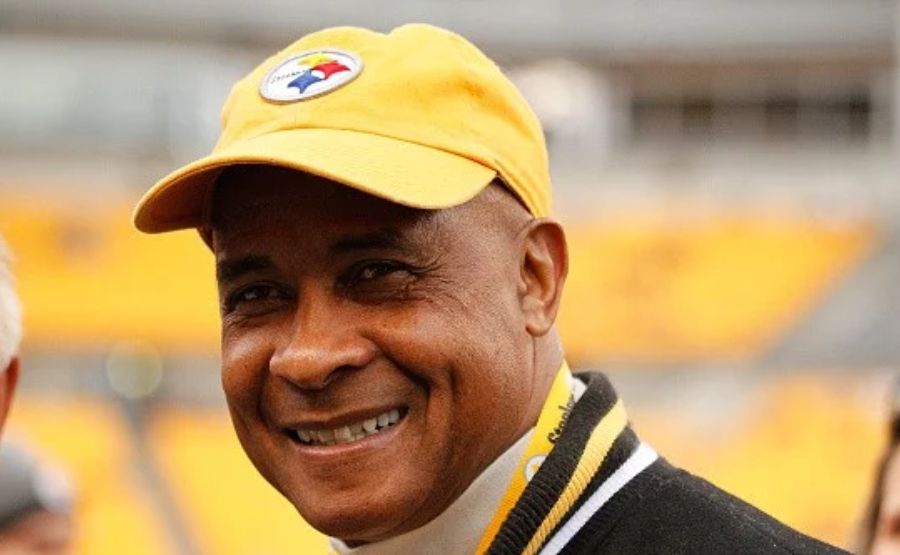
Lynn Swann Net Worth: $20 Million, Four Super Bowls, and a Career That Refused to Stay in One Lane
Here’s something most people don’t know about Lynn Swann: he took ballet and dance lessons as a kid. A future NFL wide receiver, willingly doing pirouettes. And honestly? That might explain everything — the acrobatic catches, the grace under pressure, the way he always seemed to land on his feet even when the game got rough.
Quick Bio
| Detail | Info |
| Full Name | Lynn Curtis Swann |
| Born | March 7, 1952 |
| Birthplace | Alcoa, Tennessee |
| Raised | Foster City, California |
| Height | 5 ft 11 in |
| College | USC (B.A. Public Relations, 1974) |
| NFL Draft | 1974, Round 1, Pick 21 (Pittsburgh Steelers) |
| NFL Career | 1974–1982 |
| Super Bowl Rings | 4 (IX, X, XIII, XIV) |
| Super Bowl MVP | Super Bowl X |
| Hall of Fame | Pro Football (2001), College Football (1993) |
| Post-NFL | ABC broadcaster, board director, politician, USC AD |
| Estimated Net Worth | $20 million |
| Spouse | Charena (married 1991) |
| Children | Two sons |
The $20 Million Guy Nobody Talks About Anymore
Let’s be honest — Lynn Swann doesn’t get his flowers the way he should. You mention the 1970s Pittsburgh Steelers dynasty and most people immediately think of Terry Bradshaw, Franco Harris, Mean Joe Greene. Swann? He’s in the conversation, but not at the top of it.
That’s wild when you actually look at the numbers.
Four Super Bowl rings. Three Pro Bowls. The MVP of Super Bowl X. A Hall of Famer. And after football, a 30-year run in broadcasting, a serious run at becoming governor of Pennsylvania, and a stint running one of the most storied athletic departments in the country.
The man didn’t coast. He built. And somewhere in there, he stacked a $20 million net worth.
See also “Chris Carmack Net Worth: The Guy You Keep Forgetting Is Actually Talented“
Before He Was “Lynn Swann,” He Was Just a Kid From Foster City
Swann was born in Alcoa, Tennessee — a small town outside Knoxville, in the foothills of the Smokies. His dad worked aircraft maintenance. His mom was a dental hygienist. When Lynn was just two years old, the family packed up and moved west to San Mateo, California. He grew up in Foster City, a planned community in the Bay Area.
He went to Junípero Serra High School, which is also where Tom Brady went, for what it’s worth. There, Swann wasn’t just a football player — he was a track guy, a long jumper. He set a state record of 24 feet 10 inches and beat future Olympic gold medalist Randy Williams at the 1970 California state meet.
Think about that. He beat an Olympic champion. In high school. And the NFL almost didn’t get him.
USC did, though. Swann became a consensus All-American receiver for the Trojans under coach John McKay. He got a degree in public relations in 1974 — a detail that becomes very relevant later when you see how smoothly he transitioned to TV.
The 1974 Draft Class That Broke the Record Books
The Steelers took Swann 21st overall in the 1974 NFL Draft. Now here’s the part that sounds made up: that same draft class also produced Jack Lambert, John Stallworth, and Mike Webster. Four future Hall of Famers from one team in one single draft.
The Steelers didn’t just win the lottery that year. They rigged it.
Swann stepped into a franchise already bubbling toward something historic. And he didn’t disappoint. As a rookie, he led the entire NFL in punt return yards — 577 yards on 41 returns, which was a Steelers record at the time and fourth best in NFL history.
That was just year one.
Super Bowl X: The Catch That Defined a Career
Okay, let’s talk about the game. Because Super Bowl X is where Lynn Swann went from “very good receiver” to “you have to watch this highlight right now.”
Going into the game, Swann was coming off a severe concussion he’d suffered in the AFC Championship against Oakland. George Atkinson knocked him out cold. He spent two days in a hospital. Serious stuff. Multiple people genuinely didn’t expect him to suit up for the Super Bowl.
He suited up.
Against the Dallas Cowboys, Swann went out there and had four catches for 161 yards — a Super Bowl record at the time. One of those catches was a 64-yard touchdown that basically sealed the game. The Steelers won 21–17. Swann won MVP. He became the first wide receiver in history to win Super Bowl MVP honors.
The thing is, even talking about the stats undersells it. The catches themselves were ridiculous. He was twisting through defenders, hauling balls in from impossible angles, doing things that made you wonder if maybe those dance lessons actually were the secret weapon. NFL Films put them on their highlight reels and never really took them off.
“My big catches that day are what people remember,” Swann once said. But he also noted that the first pass Terry Bradshaw threw him — the one he caught just to prove his head was right — was actually the most important of all.
By the time Swann retired after the 1982 season, he had 336 receptions, 5,462 receiving yards, and 51 touchdowns. Not eye-popping by modern standards, sure — but remember, this was a run-first era and he was operating in an offense that didn’t prioritize targets the way today’s passing attacks do.
The Broadcasting Hustle (And Why It Was Smart)
Here’s where Swann showed real business sense. He didn’t wait until he retired to start building a media career. He started moonlighting at ABC Sports in 1976, while he was still an active player. Cover events, do some commentary, build relationships.
By the time he walked away from football in 1983, he already had a job. A real one.
He spent the next two decades covering everything — college football, Monday Night Football sideline work, six Summer Olympics from 1984 to 2004, the Triple Crown, Wide World of Sports. He worked alongside Al Michaels and Dan Dierdorf on Monday Night Football in the mid-90s. He was everywhere.
That run at ABC lasted 30 years total. Thirty years of a steady paycheck from a major network, plus his endorsements, plus his board positions at H.J. Heinz, Hershey Entertainment and Resorts, and Wyndham International.
That’s where the real money was built. Not just football. The diversification.
He also briefly hosted a TV game show — To Tell the Truth on NBC in 1990 and 1991. His run lasted 14 weeks before Alex Trebek took over. Yes, that Alex Trebek. Apparently even Swann couldn’t hold off Trebek. Nobody could.
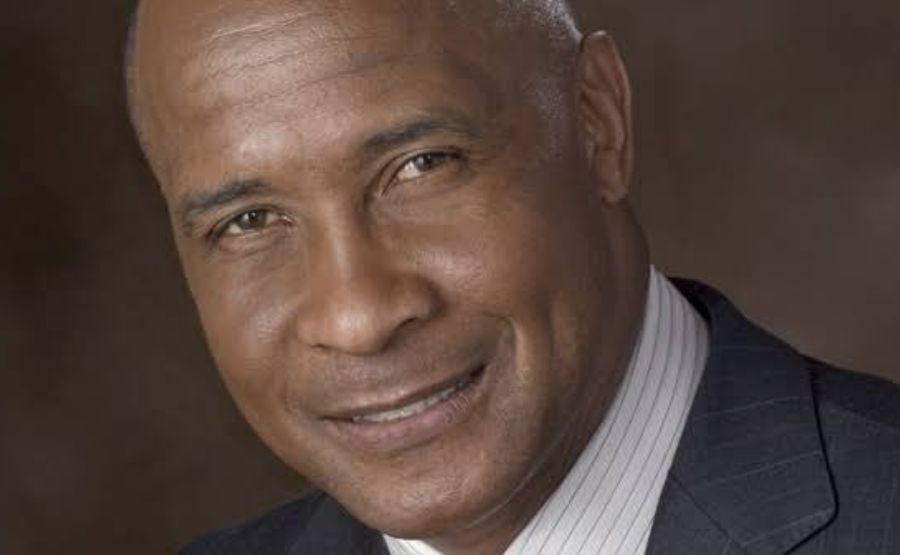
The Political Chapter Nobody Expected
In 2005, Lynn Swann announced he was running for Governor of Pennsylvania. As a Republican. With zero experience in elected office.
The sports world blinked. Pennsylvania blinked. This was not the expected next move.
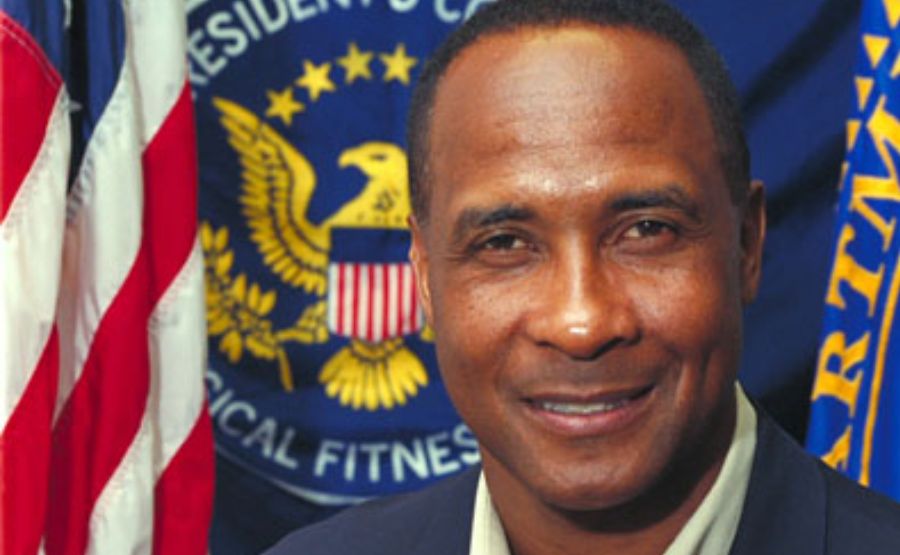
But Swann wasn’t completely unprepared for public life. He’d spent three years as Chairman of the President’s Council on Fitness, Sports, and Nutrition under George W. Bush. He had name recognition everywhere in Pennsylvania — Steelers country is basically the whole western half of the state.
He ran on financial accountability, reducing property taxes, and cleaning up Harrisburg. He won the Republican primary unopposed. Early on, the race looked closer than people expected.
Then Ed Rendell did what incumbents with massive war chests do — he buried Swann in ads and name ID money. By Election Day, it wasn’t even close. Rendell won 60% to Swann’s 40%.
Standing in a half-empty ballroom in Pittsburgh that night, Swann said he was “not accustomed to losing.” You could hear it in his voice. This was a man who won four Super Bowls. Losing — badly — was a new feeling.
Had he pulled it off, he would have been the first Black governor of Pennsylvania. That part of the story doesn’t get mentioned enough.
The USC Chapter Ends Badly
In 2016, USC hired Swann as its athletic director. He was going back home — his alma mater, where he’d been a legend. The announcement was celebrated.
Then reality set in.
He was hired without significant experience in athletic administration, which was a red flag some people raised immediately and others ignored because his name was Lynn Swann. Over his three years at USC, things piled up. The football team went 5-7 in 2018 — first losing season since 2000. He extended head coach Clay Helton’s contract, which infuriated fans who wanted a coaching change.
And then came “Operation Varsity Blues.”
Four people connected to USC’s athletic department — including a senior associate athletic director — were caught up in the nationwide college admissions bribery scandal. Coaches were indicted for allegedly taking money to fake athletic credentials for students who never played the sports in question.
Swann himself was never implicated in any wrongdoing. He said publicly he was blindsided by what his employees had done. And in March 2019, he told the LA Times flat-out that he wasn’t going to resign.
Six months later, he resigned.
New USC president Carol Folt sent an email to the university community. Dave Roberts was named interim AD. And Swann was out. Reports at the time said he was given a choice: resign or be fired.
It was a rough ending to what was supposed to be a triumphant homecoming.
Personal Life: Two Marriages, Two Sons
The personal stuff matters too, so let’s get into it quickly.
Swann’s first marriage was to Bernadette Robi, daughter of Paul Robi, who was one of the original members of The Platters. They married in 1979, right after the Steelers won Super Bowl XIII. They divorced in 1983.
In 1991, Swann married Charena, a psychologist. They’ve been together ever since. They have two sons together, both of whom played college football.
That’s it. No drama. No tabloid circus. For someone who’s been a public figure for 50 years, Swann kept the personal side remarkably quiet.
So Where Does the $20 Million Actually Come From?
Let’s break it down honestly.
His NFL salary in the late 1970s and early 1980s was solid for the era — but football salaries back then were nothing compared to today. The real wealth-building happened after he retired. Thirty years at ABC Sports wasn’t just a paycheck; it was building a brand. Those board seats at Heinz, Hershey, and Wyndham — those pay real money.
He also co-owned the Pittsburgh Power in the Arena Football League from 2011 to 2014. Not a massive revenue generator, but ownership is ownership.
Real estate investments. Diversified portfolio. Motivational speaking circuit. It adds up over decades.
Twenty million dollars at age 74 means he got it right, even if some chapters were messier than they looked.
Final Words
Lynn Swann’s story is one of those that resists easy summary. On one hand: Super Bowl MVP, Hall of Famer, a receiver so good that a half-century later his catches still show up on lists of the greatest in history. Thirty years in broadcasting. A real, serious career.
On the other hand: a political run that got crushed, a USC tenure that ended in humiliation, a sense that the second and third acts never quite matched the brilliance of the first.
Here’s my take on it: that’s real life. Not everybody who does extraordinary things on a football field translates it perfectly into everything else they try. Swann had the intelligence and work ethic to build a $20 million life after football. That matters. But the USC mess was avoidable, and the political loss was more painful than he probably expected.
What you can’t take from him is what happened in January 1976, in Miami, at Super Bowl X. That was perfect. And it’ll be on highlight reels forever.
Sometimes one perfect performance is worth more than a dozen clean career transitions. Swann had both — the perfect performance and the imperfect journey. That’s the real story.
See also “Trace Gallagher Net Worth Is $3–8 Million — And 30 Years of Breaking News Built Every Dollar of It“
FAQs
1. What is Lynn Swann’s net worth in 2026?
Lynn Swann’s net worth is estimated at approximately $20 million, built across his NFL career, decades at ABC Sports, corporate board positions, and various investments.
2. How many Super Bowls did Lynn Swann win?
Four. He won Super Bowls IX, X, XIII, and XIV — all with the Pittsburgh Steelers. He was also MVP of Super Bowl X.
3. What were Lynn Swann’s career stats?
Over nine seasons with the Steelers, Swann finished with 336 receptions, 5,462 receiving yards, and 51 touchdowns. He also led the NFL in punt return yards his rookie year.
4. Did Lynn Swann actually dance as a kid?
Yes. Swann has talked about taking ballet and dance classes growing up, and he credited that training with giving him the body control and grace that made his catches so distinctive.
5. Why did Lynn Swann leave USC?
He resigned as USC’s athletic director in September 2019. The resignation came amid multiple scandals during his tenure, including the “Operation Varsity Blues” college admissions bribery case that implicated several members of his department. Reports indicated he was given the option to resign or be fired.
6. Did Lynn Swann win when he ran for governor?
No. He lost the 2006 Pennsylvania gubernatorial race to incumbent Democrat Ed Rendell by a 60-40 margin.
7. What did Lynn Swann do after football?
He transitioned to broadcasting at ABC Sports, covering events including Monday Night Football, six Summer Olympics, and college football — a career that spanned 30 years (1976–2006). He also served on corporate boards, ran for governor of Pennsylvania, co-owned an Arena Football League team, and served as USC’s athletic director.
8. How long did Lynn Swann play in the NFL?
Nine seasons, from 1974 to 1982, all with the Pittsburgh Steelers.
9. Was Lynn Swann a good punt returner?
Actually, yes — he was exceptional at it early in his career. As a rookie in 1974, he led the entire NFL in punt return yardage.
10. Where was Lynn Swann born?
He was born in Alcoa, Tennessee, and raised in Foster City, California.
11. Is Lynn Swann in the Hall of Fame?
Both of them. He was inducted into the Pro Football Hall of Fame in 2001 and the College Football Hall of Fame in 1993.
12. What corporate boards did Lynn Swann serve on?
He served as a director on the boards of H.J. Heinz Company, Hershey Entertainment and Resorts, and Wyndham International.
Discover stories that stand at the top with The Pinnacle Magazine.