
Imagine two businesses offering a similar service at a similar price. Both understand the work, and both appear capable of delivering it. Yet one leaves the customer feeling considerably more comfortable.
The difference may appear in small details. One confirms the appointment, asks relevant questions and explains what happens next. The other arrives unprepared, makes broad promises and sends an unclear proposal days later.
Customers cannot always judge technical ability during an initial conversation. They can, however, notice whether your business appears organised, attentive and honest. Those signals help them decide whether continuing the relationship feels worthwhile.
For small businesses, trust develops across several connected moments. It begins before the meeting, strengthens through the conversation and depends on what happens afterwards. Here is how to make each stage more useful for your customers.
1. Make Your Business Easy to Check Before the Meeting
A potential customer may look up your business before replying to your message. They might visit your website, check your professional profile or read recent customer feedback. Each destination should help them understand who they are dealing with.
Start with the information that customers need most. Your business name, services, contact details and location or service area should be easy to find. If those details differ between platforms, update them before arranging more meetings.
Consistency also applies to how you describe your work. A website promising specialist consultancy should connect clearly with the person attending the appointment. Customers should not have to untangle different business names or outdated job titles.
You do not need an elaborate online presence to achieve this. A clear website and an accurate professional profile provide a useful starting point. Focus on information that helps customers verify your identity and understand your relevance.
2. Confirm the Appointment With Useful Details
An appointment confirmation can do more than reserve a time. It can remove uncertainty about the purpose, location and preparation required. That makes the meeting easier for everyone involved.
Keep the message brief but specific. Include the agreed time, expected duration and meeting address or video link. Explain who will attend and whether the customer should prepare anything.
For example, a web designer could ask for the customer’s existing website and two examples they admire. A commercial cleaner might request access arrangements and an outline of the areas requiring attention. These questions show preparation while helping you assess the work.
Avoid sending a long questionnaire without explaining its purpose. Ask only for information that will improve the conversation. Customers should understand how their effort contributes to a more useful appointment.
3. Research the Situation Without Making Assumptions
Preparation helps you ask better questions. It does not mean deciding what the customer needs before hearing their explanation. Treat your research as background rather than a completed diagnosis.
Review any information the customer has already shared. Look at relevant public business information and note anything requiring clarification. Bring those questions into the meeting instead of repeating an inflexible presentation.
Imagine a marketing consultant meeting a local retailer. The consultant notices an outdated website and assumes replacing it should be the priority. The retailer’s actual concern, however, may be handling enquiries during busy periods.
A prepared professional explores that difference. They ask what is happening, what the customer has tried and what improvement would matter. Understanding the problem creates a stronger foundation than demonstrating how much research you completed.
4. Present a Clear Professional Identity
Customers should quickly understand your role and how to contact you. They should also know where to find relevant information after the conversation. A clear professional identity supports both needs.
Check that your name, business details and main links are current. Remove resources that no longer represent your work. If you share examples, choose those relevant to the customer’s situation.
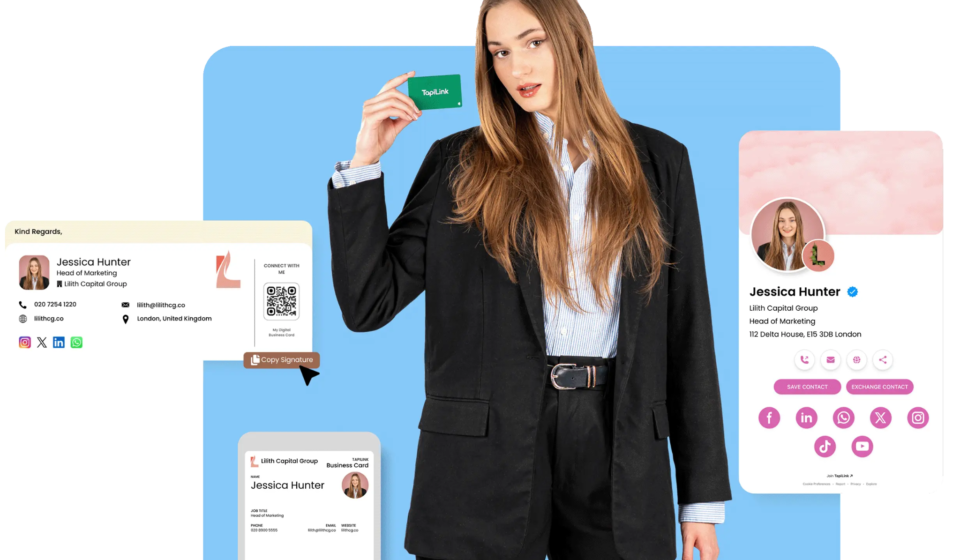
For professionals meeting customers regularly, digital business cards can provide a convenient route to contact information and useful business links. A maintained profile can help bring those resources together. Its usefulness still depends on accurate details and a clear destination.
Keep the customer’s immediate task in mind when organising that information. Someone arranging a consultation may need your booking details and service overview. They probably do not need every social account or unrelated project you have created.
5. Open the Meeting With a Shared Purpose
The first few minutes establish how the conversation will work. Customers may arrive unsure whether they will receive advice, an assessment or a sales presentation. Clarifying the purpose gives them something concrete to expect.
Begin by checking the time available. Briefly explain what you hope to understand and what you can cover. Then invite the customer to add anything important.
You might say: “I would like to understand the problem, discuss possible approaches and explain the next step.” Follow that with a question about their priorities. This creates space for the customer to influence the discussion.
A shared purpose also helps when the conversation moves off course. You can return to the agreed priorities without dismissing the customer’s concerns. The meeting feels more organised because both people understand its direction.
6. Ask Questions That Reveal the Real Problem
Customers often describe a symptom before explaining the wider issue. They may request a replacement, a new campaign or a lower price. Your job is to understand what sits behind that request.
Ask what prompted them to seek help now. Explore how the issue affects their time, customers or everyday work. Find out what a satisfactory result would look like.
Useful questions include:
- What is happening at the moment?
- Which part causes the most difficulty?
- Have you tried anything already?
- Is there a deadline we should understand?
- Who else needs to be involved?
- What would make this project successful for you?
Allow enough time for the answers. Avoid turning each response into an immediate opportunity to promote a service. A thoughtful recommendation becomes easier once the underlying situation is clear.
7. Show That You Have Understood
Listening becomes visible through what you do with the information. A customer may explain their concerns clearly and still wonder whether you understood. A short summary helps close that gap.
Repeat the main issue in plain language. Mention the priorities, constraints and desired result you heard. Then ask whether your understanding is accurate.
For example: “You need the booking process simplified before the summer rush, while keeping your current payment system.” That summary gives the customer something specific to confirm. It also exposes misunderstandings before they enter the proposal.
Take brief notes when useful and explain why. Keep your attention on the person instead of typing continuously. If the discussion includes sensitive information, ask what is appropriate to record.
8. Use Relevant Evidence Instead of Broad Claims
Statements such as “we deliver excellent service” offer little detail. Customers need help understanding what your experience means for their situation. Relevant evidence gives them something more concrete to assess.
Choose a short example with a recognisable problem. Explain what you did and describe the outcome you can support. Be clear about differences between that project and the customer’s circumstances.
A design agency might show how it simplified a service enquiry form. A maintenance business could explain how it planned work around opening hours. Neither needs to overwhelm the customer with an entire portfolio.
Only use client material you have permission to share. If an example is hypothetical, identify it clearly. Invented testimonials or unsupported results undermine the credibility you are trying to establish.
9. Explain Recommendations and Trade-Offs Clearly
A recommendation should make sense without specialist knowledge. Explain the proposed action, the reason behind it and the practical implications. Give the customer enough information to consider alternatives.
Start with the option that best matches the needs discussed. Describe what it includes and why you consider it suitable. Then explain meaningful limitations or dependencies.
Perhaps a smaller project addresses the immediate problem but leaves future improvements outstanding. A broader project may reduce repeated disruption while requiring more preparation. Presenting those differences helps the customer make an informed choice.
Avoid listing unnecessary options simply to appear thorough. Equally, do not hide a workable alternative because you prefer a larger sale. Customers should understand how your recommendation connects with their priorities.
10. Make Pricing and Scope Understandable
An unclear quote can undo an otherwise helpful meeting. Customers may feel uncertain about what they are buying or what could increase the cost. Explain those boundaries before asking for a decision.
Set out the deliverables in ordinary language. Identify exclusions, customer responsibilities and any assumptions behind the price. Where relevant, explain payment stages and how additional work would be agreed.
If you cannot provide a firm price yet, explain what is missing. You may need measurements, supplier confirmation or a more detailed assessment. Give a realistic date for supplying the remaining information.
Do not present an estimate as a guaranteed total. Make clear which elements are confirmed and which remain variable. A useful explanation gives customers a way to plan without creating false certainty.
11. Make Contact Sharing Simple and Comfortable
The end of a meeting can become unnecessarily awkward. Someone searches for a card while another person types an unfamiliar email address. A simple contact exchange helps preserve the conversation’s momentum.
Ask which communication method the customer prefers. Offer an easy way to access your details through a card, link or QR code. Check that the destination contains the information you actually discussed.
For regular face-to-face meetings, NFC business cards offer a tap-to-share option with compatible smartphones. Keep an alternative available for customers who prefer another method. A direct link or clearly written email address can work just as well in that situation.
Test your chosen method before attending appointments. Confirm that links open correctly and contact details are current. Technology supports the exchange when it makes the customer’s next action easier.
12. Agree on the Next Step Before Leaving
A meeting can feel positive without producing a clear outcome. Both people may leave expecting the other to act. Prevent that uncertainty by agreeing on the next step together.
Specify the action, its owner and the expected timing. That could mean sending a proposal, arranging access or reviewing a sample. Check whether anyone else needs to contribute before progress can continue.
For example: “I will send the two options by Thursday afternoon, and you will review them with your manager.” This is more useful than promising to reconnect soon. It gives both sides a practical reference.
Respect a customer who needs time or chooses not to proceed. Ask whether further information would help, without manufacturing urgency. A professional ending should remain clear and courteous regardless of the immediate commercial outcome.
13. Follow Up With Something Specific
Your follow-up should continue the actual conversation. A generic message forces the customer to reconstruct what happened. A concise, relevant summary helps them move forward.
Thank them for their time and restate the main priorities. Include any resource or document you promised. Finish with the agreed action and timing.
A simple message could read:
Thank you for meeting today. You highlighted weekend staffing and enquiry handling as the main priorities. I will send the two service options by Thursday afternoon, as agreed.
Check attachments, names and links before sending. If several people attended, confirm who needs the information. Accuracy matters more than producing an unnecessarily polished message with little practical value.
14. Keep Customers Informed When Plans Change
Reliability becomes particularly visible when something does not go to plan. A delayed proposal or unavailable component may require a revised schedule. How you communicate that change affects the customer’s experience.
Tell them once you know the original commitment is at risk. Explain what has changed and how it affects their next decision. Offer a realistic revised plan instead of another uncertain promise.
For example, a supplier delay might affect one part of an installation. Explain whether other work can proceed and what choices are available. Let the customer understand the consequences before rearranging their own commitments.
Avoid making them chase information repeatedly. Agree on when the next update will arrive, even if the issue remains unresolved. Consistent communication gives them a clearer sense of control.
15. Ask for Feedback After a Real Customer Experience
Feedback belongs after the customer has experienced your work. A useful meeting alone does not demonstrate how you deliver an entire service. Choose a point when they can meaningfully describe what happened.
Begin by checking whether the agreed work is complete. Ask whether anything needs clarification or attention. Listen to the response before moving into a review request.
Tools such as Google review cards can simplify access to a business’s review destination through a tap or scan. Explain the request briefly and leave the choice with the customer. The tool should make feedback easier to submit.
Invite honest feedback without suggesting a required rating. Avoid pressure, scripted praise or rewards tied to a positive response. A credible review process allows customers to describe their own experience.
Common Mistakes That Weaken Customer Trust
Several avoidable habits can undermine an otherwise professional approach. They usually involve creating uncertainty or making the customer feel unheard. Review the following issues across your own meeting process.
- Arriving without context: Repeatedly asking for information already supplied suggests the preparation was missed.
- Talking through every service: A long presentation can bury the recommendation relevant to the customer’s problem.
- Promising before checking: Confirm capacity, availability and dependencies before committing to a result or deadline.
- Leaving prices unexplained: Customers need to understand the relationship between the scope and the proposed cost.
- Sending irrelevant follow-ups: Continue the agreed discussion instead of immediately adding someone to a general sales sequence.
- Disappearing after payment: Delivery updates and accessible support remain part of the relationship.
- Pressuring customers for praise: Feedback should reflect their experience and remain their choice.
These problems do not always require expensive systems to fix. Many improve through clearer preparation, written commitments and consistent follow-through. Start with the point where customers currently need to ask the most questions.
A Practical Customer Meeting Checklist
Use this checklist to create a repeatable process. Adjust it to your service rather than following every item mechanically. The aim is to make important details easier to remember.
Before the meeting
- Check your public business information.
- Confirm the time, location and purpose.
- Review information already provided.
- Prepare relevant questions and examples.
- Test your contact-sharing method.
During the meeting
- Confirm the customer’s priorities.
- Listen before recommending.
- Summarise your understanding.
- Explain scope, pricing and limitations.
- Agree on responsibilities and timing.
After the meeting
- Send the promised information.
- Record the agreed next action.
- Communicate changes promptly.
- Check the delivered work.
- Invite honest feedback after the experience.
Final Thoughts
Small businesses build trust through repeated, observable actions. Customers notice whether information is clear, questions are relevant and commitments are kept. Each stage gives you another opportunity to demonstrate how your business works.
Prepare before the meeting and give the customer room to explain their needs. Make your recommendations understandable and your next steps specific. Afterwards, deliver what you promised and communicate when circumstances change.
Professional tools can make sharing information and collecting feedback easier. Their value depends on the service and communication surrounding them. The strongest foundation remains a business that helps customers understand what to expect, then follows through.