
Everyone seems to have a trick for sobering up. Strong coffee. A cold shower. A big greasy breakfast. A brisk walk around the block. Every holiday season, these concepts are discussed and repeated at gatherings, generally with complete assurance.
The honest answer is far less exciting: none of them actually work. Once alcohol is in your bloodstream, only time removes it. Understanding how that process works can help people make safer decisions about driving, work, and looking after friends, especially during the party-heavy months ahead. It also helps people recognise when drinking has moved beyond a fun night out into something that may need support, from a conversation with a doctor to dedicated care like luxury substance abuse treatment Malibu programs or other structured help. Here is what actually happens in your body after a drink.
How Your Body Processes Alcohol
When you drink, alcohol is absorbed into your bloodstream through your stomach and small intestine. From there, it travels throughout the body, including to the brain, which is why you feel its effects. The liver does most of the work of breaking alcohol down.
The important part is that the liver processes alcohol at a relatively steady rate that you cannot meaningfully speed up. The National Institute on Alcohol Abuse and Alcoholism explains that drinking faster than the body can process alcohol causes blood alcohol concentration to rise, and no quick fix changes how quickly the liver clears it.
Why Your Blood Alcohol Can Keep Rising
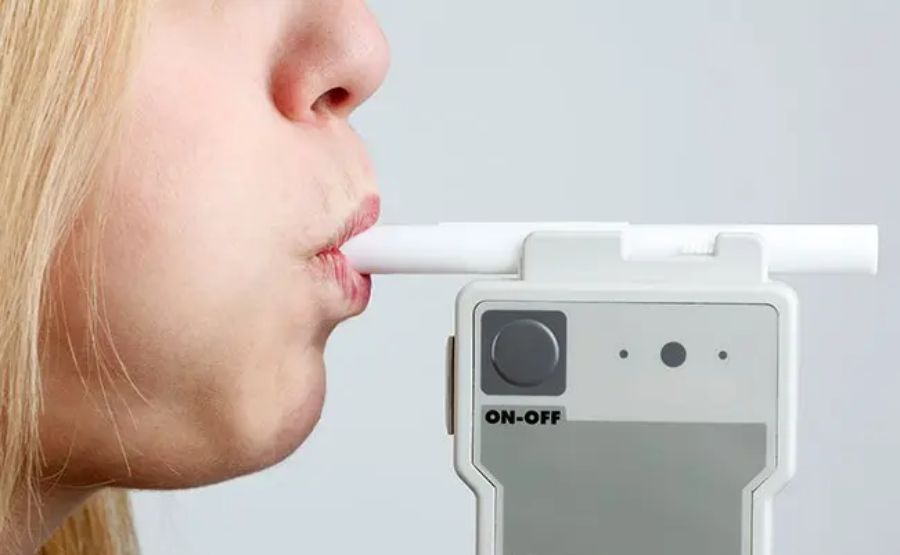
One of the least understood facts about drinking is that blood alcohol concentration can continue to rise even after someone stops drinking. NIAAA notes that alcohol still in the stomach and intestine keeps entering the bloodstream, so a person’s BAC can keep climbing even after they have passed out. That is why someone who seems “fine” right after their last drink can become much more impaired later.
What Counts as a Drink
NIAAA defines a standard drink in the US as about 14 grams of pure alcohol, roughly 12 ounces of regular beer, 5 ounces of wine, or 1.5 ounces of 80-proof spirits. Many real-world pours, especially cocktails and large glasses of wine, contain more than one standard drink, which makes it easy to underestimate how much alcohol your body needs to process.
Popular Sobering-Up Myths
These are some of the most common tricks people use to sober up quickly. This is the reason they don’t work.
- Drinking coffee. Caffeine does not reduce blood alcohol content, however it may increase alertness. NIAAA notes that coffee does not help someone sober up, and feeling more awake can give a false sense of being fine.
- Taking a cold shower. A shock of cold water can wake you up, but it does nothing to remove alcohol from your bloodstream. For someone who is very intoxicated, it can also increase the risk of falls or dangerously low body temperature.
- Eating a big meal after drinking. Food in the stomach before and during drinking can slow alcohol absorption. Eating afterward does not reverse what has already been absorbed.
- Walking it off. Exercise does not speed up how the liver processes alcohol. Walking while impaired can also increase the risk of injury.
- Sleeping it off quickly. Sleep passes time, but a few hours may not be enough after heavy drinking. Depending on how much was consumed, alcohol can still be in your system the next morning.
The common thread is simple. Feeling more awake and being sober are not the same thing, and only time allows the liver to finish its work.
The Morning-After Risk
Because the liver works at a steady pace, a long night of drinking can mean there is still alcohol in the body well into the next day. That matters for anyone planning to drive, operate machinery, or make important decisions the morning after. If you drank heavily, it is safest to assume you may still be affected and make other plans.
When Too Much Becomes an Emergency
Alcohol overdose symptoms that require immediate medical intervention are listed by NIAAA. These include mental confusion or stupor, difficulty staying conscious, vomiting, seizures, slow or irregular breathing, a slow heart rate, clammy skin, very low body temperature, and bluish or pale skin. If someone shows these signs, call emergency services immediately and do not leave them alone. Never assume a person will simply “sleep it off.”
When Drinking Patterns Need a Closer Look
If you regularly need tricks to function the next day, find yourself drinking more than you planned, or worry about how much you rely on alcohol, it may be time to talk with a healthcare provider. Anyone who drinks heavily every day should get medical advice before stopping, because NIAAA warns that alcohol withdrawal can be dangerous.
Final Thoughts
The truth about sobering up is not glamorous, but it is reliable. Your liver sets the pace, and nothing on a party playlist of hangover hacks can change it. Pacing your drinks, planning safe transport, and giving your body time are the only strategies that actually work.
Frequently Asked Questions (FAQs)
1. Does coffee help you sober up?
No. NIAAA notes that coffee does not lower blood alcohol concentration. It may make you feel more alert, which can create a false sense of being sober.
2. Can blood alcohol keep rising after you stop drinking?
Yes. NIAAA explains that alcohol still in the stomach and intestine continues to enter the bloodstream, so BAC can keep rising even after drinking stops or a person passes out.
3. What are the signs of alcohol overdose?
According to NIAAA, signs include confusion, difficulty staying conscious, vomiting, seizures, slow or irregular breathing, slow heart rate, clammy skin, very low body temperature, and bluish or pale skin. Anyone exhibiting these symptoms need immediate assistance.