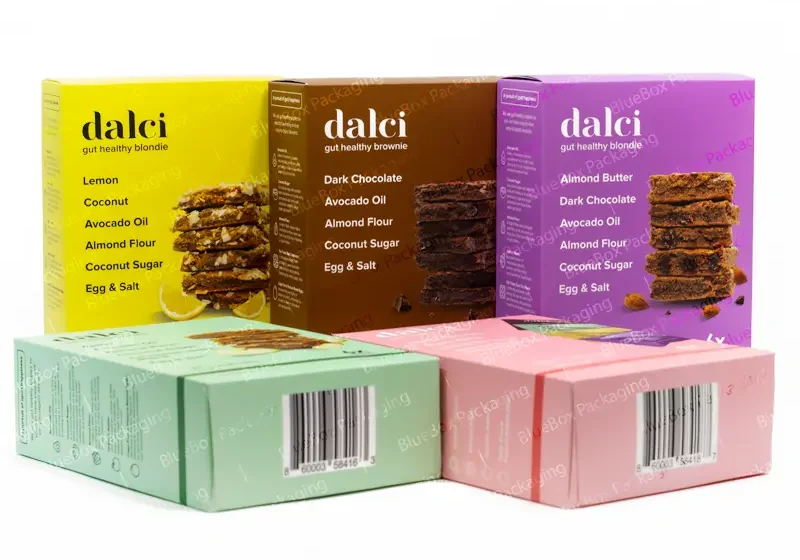

Rectangular boxes can possibly be the most common packaging types used in this business. However, this does not mean that every kind of rectangular box is equal to each other.
A box, which is great for a candle, may be absolutely inappropriate for use with bottles, books, cosmetics sets or foods. The size, strength of board, type of opening, capacity and finishing will determine how successful the packaging will be.
The hard thing here is not to pick the rectangular type of packaging but to pick the right one.
Start With the Product Dimensions
Before considering colors or finishes, take the measurement of the product.
Note down the dimensions of the product, including the dimensions of any elements which have to be packed along with it.
The purpose is not always to pack the product very tightly.
There may have to be some clearance inside for putting in and taking out the product from the box, but too much space will cause movement inside the box during transit.
An ideally sized carton should have sufficient space for both the product and its protective parts.
Why Custom Sizing Matters
The sizes set as standard may be quite convenient, but they are not necessarily efficient.
One may make a box specifically for a certain product in relation to its size. This will increase presentation efficiency and will eliminate unused space inside.
When it comes to online businesses, one may get an additional advantage by using proper size. A well-sized box may use less filler and save shipping space.
Nevertheless, one needs to consider the shipping aspect together with the protection aspect of packaging. The smaller package is not necessarily better if it can be crushed or damaged.
Choose the Material According to the Job
The choice of the board is responsible for the major part of the box’s strength, appearance, and behavior.
Paperboard can be utilized in folding cartons since it is light and suitable for printing and cutting.
Depending on the weight of the goods and specific requirements of the package:
- Is it supposed to be put on the shelf in the store?
- Will it be transported separately?
- Does it require protection from compression?
- Will it be handled by consumers frequently?
- Is there a need for it to hold an insert?
- Is it necessary for long-term storage?
These are the criteria for the material selection, not the criterion of the board thickness.
Pick a Structure That Matches the Product
Being of a rectangular shape does not restrict you to a single construction technique.
Based on the product, you will be using a tuck top carton, sleeve and tray, drawer-style packaging, rigid set-up box, or another folding box style.
The opening of the product is yet another important aspect.
A popular product will be using an opening that can be easily opened and re-opened by the consumer. Gift products may require opening of a different nature. Retail products will require a packaging that enables easy shelf placement.
Think About What Happens Inside
Interior design should receive as much attention as the exterior design.
The inserts will stop the products from shifting, separate several items, and give a well-organized look. They can serve as an extra protection for fragile goods.
If it is a gift set, the interior design will also play a significant role in unboxing process. However, in case of a technical item, it just has to hold the parts in place and make them easy to take out.
The best interior is the one which corresponds to storage conditions.
Printing and Finishing Set the Tone
The exact same rectangular packaging piece may come across totally differently based on how its surface was finished.
For instance, a natural brand would go for understated matte and typography.
Alternatively, a beauty brand could employ bold color contrast and gloss on specific elements. Premium packaging may include foil, embossing, or soft touch finishes.
The finishing process should be appropriate for the positioning of the product.
In addition, it is worth keeping in mind that print quality is just as important as finishing itself.
Work With the Right Packaging Partner
Choosing experienced box manufacturers can make the development process easier, particularly when a package requires custom sizing, inserts, unusual closures, or multiple finishing techniques.
The right production partner should assist in evaluating the dieline, material, print process, and finishes before proceeding to mass production.
It is advisable to always request a prototype in physical form.
This affords the chance to examine the dimensions, construction, product fit, printing, and handling of the package.
Build the Box Around the Product
The versatility of Rectangular Boxes lies in their adaptability. They are common enough for use in many industries but adaptable enough to tailor them in accordance with any different product.
It is not just about choosing the appropriate length, width, and height. There is a lot more to it such as material, construction, protection inside the box, branding, finishing, transportation, and end-user use.
When approached strategically and with assistance of professionals who manufacture boxes, a basic shape of a rectangular box can become highly versatile packaging for the product.