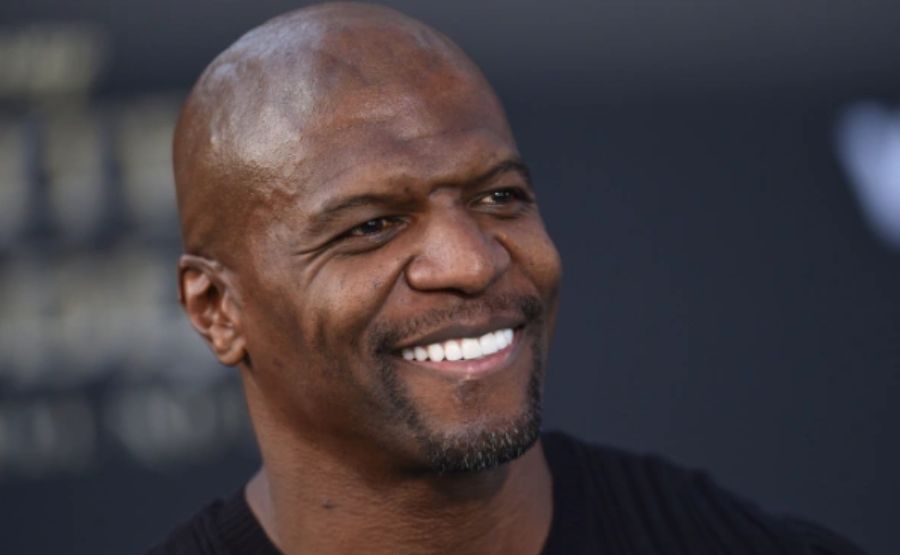
Terry Crews Biography: The Artist Who Became an NFL Player, Actor, and TV Star
Most people think Terry Crews got famous for being big. For the pec pops. For Brooklyn Nine-Nine. For the Old Spice commercials that are still living rent-free in everyone’s brain. And sure — the physique is undeniable. The charisma is impossible to ignore. But here’s what almost nobody leads with: the man got his first scholarship for art. Not football. Not acting. Art. He earned an Art Excellence Scholarship to the Interlochen Center for the Arts before football even became his ticket out of Flint, Michigan.
That detail matters because it explains why Terry Crews has never been just one thing. And also why he’s never been easy to categorize.
Quick Bio
| Detail | Info |
| Full Name | Terry Alan Crews |
| Born | July 30, 1968 |
| Age (2026) | 57 |
| Birthplace | Flint, Michigan |
| Parents | Patricia Ann Crews (née Simpson) and Terry Crews Sr. |
| Education | Western Michigan University — Art major |
| Wife | Rebecca King-Crews (married 1989) |
| Children | 5 |
| NFL Career | 1991–1997: LA Rams, Green Bay (practice squad), San Diego Chargers, Rhein Fire, Washington Redskins, Philadelphia Eagles |
| NFL Draft | 11th round, 281st overall pick, 1991 |
| Notable Roles | Julius Rock (Everybody Hates Chris), Terry Jeffords (Brooklyn Nine-Nine), Hale Caesar (The Expendables) |
| TV Hosting | America’s Got Talent (2019–present) |
| Books | Manhood (2014), Tough (2022) |
| Net Worth | Estimated $25–$30 million |
Flint, Michigan. The Origin Story Hollywood Doesn’t Fully Tell.
Let’s start where it actually starts — Flint. Industrial city. Economic decline that everyone who’s ever seen a documentary about American manufacturing knows. Not an easy place to grow up in the late 60s and 70s as a Black kid with artistic talent and a complicated home life.
His mother was deeply religious. His father, Terry Sr., was a man Crews has described publicly as someone whose behavior created wounds that took decades to process. The household was strict, faith-heavy, and not easy to navigate. None of that is unique to Flint. But the combination of that environment plus a city that was steadily losing its economic footing made getting out feel urgent in a specific way.
Art was his first out. Football became his second.
See also “Amanda McKeehan Is the Quiet One — And That’s the Whole Point“
He Walked Onto a Football Team. Then Football Tried to Define Him.
Here’s something that gets buried in every “NFL to Hollywood” origin story. When Terry Crews arrived at Western Michigan University on an art scholarship, football wasn’t the plan. He walked onto the WMU football team as a freshman. Not recruited. Not given a scholarship for it. He showed up and earned his spot.
By his sophomore year, he had his full athletic scholarship. By his senior year, he was an All-Conference defensive end and part of the 1988 Mid-American Conference championship team. NFL scouts noticed. In 1991, the Los Angeles Rams drafted him in the 11th round — 281st overall pick. Which sounds great until you understand that being a late-round pick in the NFL means you’re on the permanent edge of roster cuts forever.
He played with the Rams, had a brief stint with the Green Bay Packers on the practice squad, moved to the San Diego Chargers, played a season in NFL Europe with the Rhein Fire in Germany, then did stints with the Washington Redskins and Philadelphia Eagles. Six seasons. Thirty-two games played. Three tackles and an assist in his career stat line.
You know what he was doing the entire time? Painting. He created a line of NFL-licensed lithographs and sold them through Sierra Sun Editions while he was still an active player. Because he was never only a football player. He kept saying that with his choices even when the industry kept trying to reduce him to a body.
1997. The NFL Is Done. And Then Everything Gets Hard.
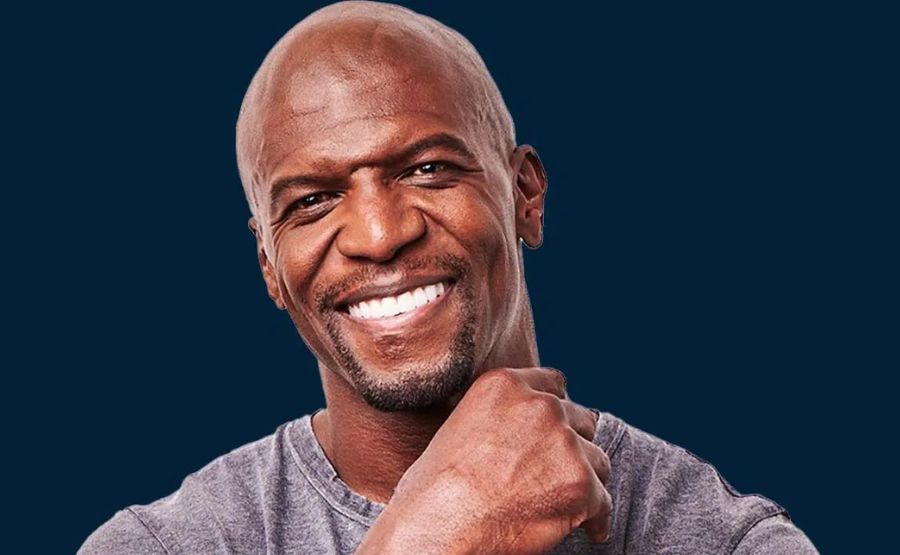
The football career ended in 1997. And Terry Crews has talked about what happened next with more honesty than most people in his position ever would. He described falling into depression. The transition from being a known entity — a professional athlete with an identity attached to a jersey — to suddenly being a civilian with a large body and an uncertain future sent him into a low period he didn’t see coming.
His family was in Los Angeles. The money from football wasn’t generational wealth — he’d played on journeyman contracts, not franchise deals. And Hollywood, which would eventually become his home, hadn’t opened its doors yet.
He did what you do when you’re grinding. He worked security. He cleaned houses. He took whatever came. In 1999, he became “T-Money” on a show called Battle Dome — basically a knockoff of American Gladiators — which got him on television but wasn’t exactly the career pivot anyone plans for. Still. It was a foot in the door.
The movie roles started trickling in after that. Friday After Next in 2002. Serving Sara that same year. Biker Boyz in 2003. Not starring roles. Supporting spots. The big guy in the room. The intimidating presence who also happens to be surprisingly funny.
White Chicks in 2004 changed the public perception. If you’ve seen it, you know the scene — Latrell Spencer declaring his love for one of the Wayans brothers in an absurd, over-the-top bit that Crews committed to with such full energy that people started paying attention differently. He wasn’t just big. He was funny. Genuinely funny. The kind of funny that requires intelligence and timing, not just a good setup.
Everybody Hates Chris and Brooklyn Nine-Nine. The TV Era That Made Him.
The UPN/CW show Everybody Hates Chris, which premiered in 2005, gave Crews the role of Julius Rock — the frugal, hard-working father of Chris Rock’s fictionalized childhood. Julius wasn’t a joke character. He was a fully formed person with principles, quirks, and real love for his family expressed in ways that were specific and recognizable. Crews played it with warmth that didn’t sacrifice the comedy.
That show ran four seasons and built him an entirely different audience than his movie work had. People who didn’t care about the NFL and who hadn’t seen White Chicks met Terry Crews as Julius Rock first.
Then came Brooklyn Nine-Nine in 2013. Terry Jeffords — the gentle-giant sergeant who is terrified of his own intimidating exterior, obsessed with yogurt and his twin daughters, deeply loyal, frequently emotional in the least expected ways. It’s the role that locked in his status as a legitimate television actor. The show ran seven seasons across Fox and NBC. Crews was nominated for a Critics’ Choice Television Award for it. The ensemble around him was remarkable — Andy Samberg, Andre Braugher, Stephanie Beatriz — but Crews held his own in every single scene.
He also became the face of Old Spice in an ad campaign that went genuinely viral and redefined how people thought about his brand of physical comedy. Pec-popping. Chest piano. The bits became cultural touchstones. You try explaining “Terry Crews doing a pec pop” to someone who hasn’t seen it. You can’t. You just have to show them.
The Addiction No One Wanted to Discuss at First
In 2014, Terry Crews published Manhood: How to Be a Better Man — Or Just Live With One. And inside that book, he disclosed something that took serious courage to put in writing: a pornography addiction that had started around age 12 and stretched into his adult married life for years without his wife’s knowledge.
He expanded on it in 2016 in a three-part Facebook video series called “Dirty Little Secret,” where he described the addiction as something that physically rewired how he related to people — turning them into objects rather than human beings. He described it as an intimacy killer. As something that built a wall between him and Rebecca brick by brick with every session.
Rebecca’s response when he finally told her — after she’d already found out about other infidelities — was to tell him to leave. Take his things and go. And his account of that moment is what makes it human rather than a recovery-industry talking point: she didn’t accept the disclosure as a starting point. She gave him nothing until he proved through actual behavior change — therapy, rehab, a 90-day sex fast — that he was committed to rebuilding something real.
They rebuilt it. Over years. And have talked about the process openly, including in a joint Audible project. Rebecca has been clear that her trust had to be re-earned, not assumed. That framing — the spouse who gets to have agency in whether the marriage survives rather than being expected to forgive automatically — is important and rarely articulated in recovery narratives.
The WME Agent. The Lawsuit. The One Word That Said Everything.
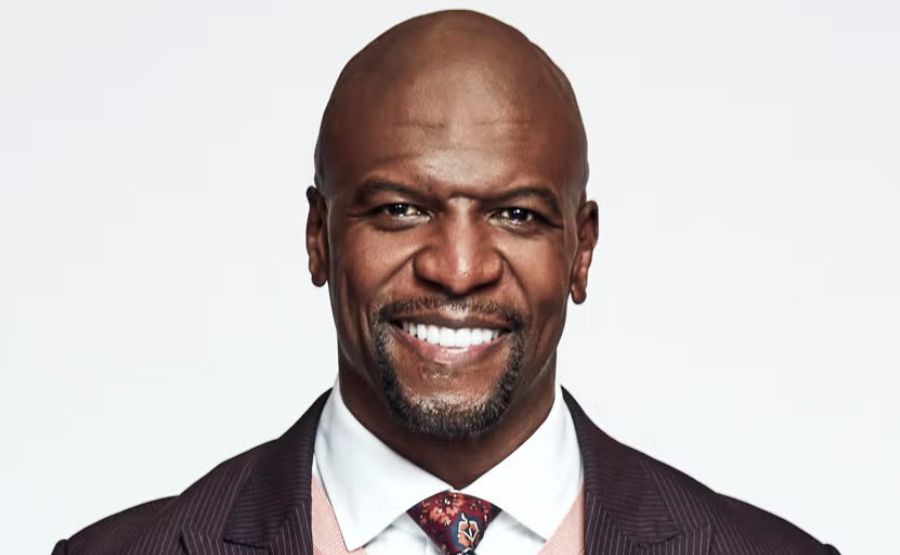
October 2017. The Harvey Weinstein story was detonating through Hollywood. Terry Crews went to Twitter and described being groped at an industry party in February 2016 by a powerful entertainment executive. He named him in November: Adam Venit, head of the motion picture department at William Morris Endeavor — the agency that represented Sylvester Stallone, Adam Sandler, Eddie Murphy, and dozens of others.
Crews described being at the party with his wife when Venit approached, made overtly sexual gestures at him from across the room, then walked over and grabbed his genitals. Crews pushed him away. The man came back. Crews pushed him away again harder. Venit laughed and moved on.
He filed a police report in November 2017. Fired WME a day later. Filed a civil lawsuit against Venit and WME in December. Testified before the Senate Judiciary Committee in June 2018 alongside other MeToo figures. Withstood criticism from people — including, frustratingly, some prominent Black voices — who suggested he should have physically retaliated in the moment or that his restraint somehow undermined his credibility as a man.
He responded to that criticism directly and without apology: he hadn’t fought back because he knew a Black man of his size throwing punches at a white Hollywood executive would have ended his career and possibly his freedom. He said it plainly. In public. On record.
The lawsuit settled in 2018. WME issued a statement. Venit announced his retirement. Crews posted a single word on Twitter: “ACCOUNTABILITY.”
That was the statement. He didn’t need more.
America’s Got Talent and What He Does Now
Since 2019, Terry Crews has been the host of America’s Got Talent, one of NBC’s most-watched summer properties. He brings genuine enthusiasm to it — you can tell he actually cares about the contestants — and his presence expanded the AGT audience demographic in ways that matter.
In 2022 he published Tough, a follow-up memoir that dealt with his father’s death and the complicated grief of losing a parent whose relationship with you was defined by damage. The book got serious critical attention for its emotional honesty.
In 2026, he expanded his hosting work to Food Network’s 100 Cooks, a competition format with 100 home cooks competing for $250,000. He’s not slowing down. He’s 57 years old and has more irons in more fires than most 30-year-olds in the industry.
He also still paints. The art never left.
Final Words
Here’s my actual opinion on Terry Crews. In an industry that rewards performance over authenticity and punishes vulnerability in men specifically, he has consistently chosen to tell the truth about himself — the addiction, the marriage damage, the sexual assault, the complicated grief around his father — and done it without the sanitizing filter that publicists usually insist on.
That’s not small. It’s actually unusual to the point of being remarkable.
The pec pops are funny. Terry Jeffords is a great character. The Old Spice ads are iconic. But the most interesting thing about Terry Crews is that he decided a long time ago that being known as a real person mattered more than being known as a brand. He’s been an NFL player, an artist, a comedic actor, a dramatic actor, a television host, an abuse survivor, a sex addict in recovery, a husband who nearly lost his marriage, and a man who publicly processed losing his father in print.
Most people in his position would’ve kept half that private forever.
He didn’t. And that’s actually the whole story.
FAQs
1. Where was Terry Crews born?
Flint, Michigan, on July 30, 1968. He grew up there through his high school years before leaving for college and eventually the NFL.
2. What teams did Terry Crews play for in the NFL?
The Los Angeles Rams (1991), Green Bay Packers (practice squad, 1993), San Diego Chargers (1993–94), Rhein Fire in NFL Europe (1995), Washington Redskins (1995), and Philadelphia Eagles (1996). His active career spanned about six seasons.
3. What position did Terry Crews play?
Primarily defensive end, though he also played linebacker during his NFL stints.
4. When did Terry Crews get married?
He married Rebecca King-Crews in 1989. They’ve been married for over 36 years as of 2026.
5. How many children does Terry Crews have?
Five children with Rebecca.
6. What is Terry Crews’ net worth?
Estimates range from $25 to $30 million, built across his acting career, television hosting, brand deals, and writing.
7. What was Terry Crews’ first major acting role?
His breakout came through White Chicks (2004) and then Everybody Hates Chris (2005–2009), where he played Julius Rock.
8. What happened between Terry Crews and Adam Venit?
At a Hollywood party in February 2016, WME agent Adam Venit groped Crews’ genitals without consent. Crews reported it to police in November 2017, fired WME, and filed a civil lawsuit. The suit settled in 2018 with Venit retiring from the agency.
9. Did Terry Crews testify before Congress?
Yes — he testified before the Senate Judiciary Committee in June 2018 as part of hearings related to the MeToo movement.
10. What is Terry Crews’ pornography addiction story?
He disclosed a decades-long addiction in his 2014 book Manhood and expanded on it in a 2016 Facebook video series called “Dirty Little Secret.” The addiction began around age 12, continued into his marriage without Rebecca’s knowledge, and nearly ended their relationship. Through treatment and rehabilitation, he conquered it.
11. What is Terry Crews hosting now?
He’s been hosting America’s Got Talent on NBC since 2019, and expanded to host Food Network’s 100 Cooks in 2026.
12. Did Terry Crews go to college on a football scholarship?
His first scholarship was an Art Excellence Scholarship to the Interlochen Center for the Arts. He later walked onto Western Michigan University’s football team as a freshman and eventually earned a full athletic scholarship after his sophomore year.
Discover stories that stand at the top with The Pinnacle Magazine.