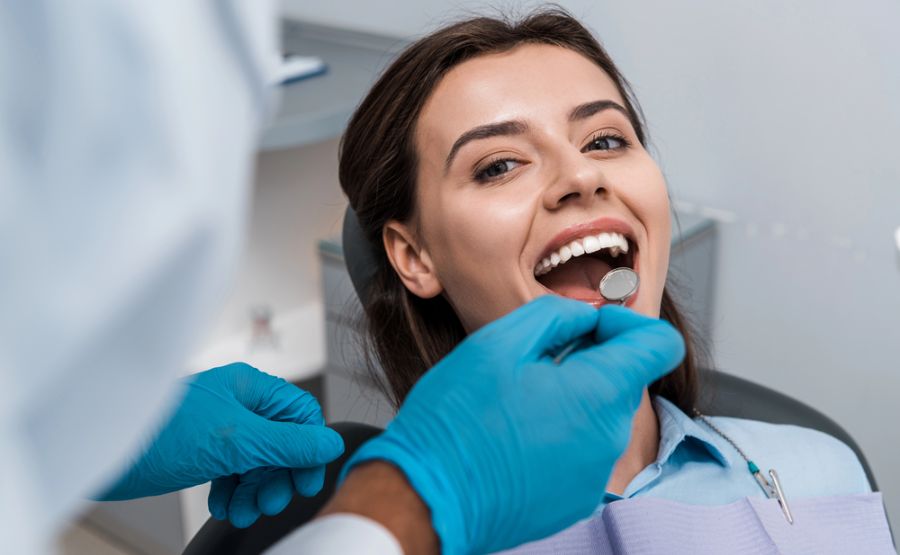

A pattern emerges when you go through any social media feed. Skin looks soft, brows look brushed and smiles look relaxed rather than rigid. Over the past few years, these looks have moved from phone screens into dental clinics, where patients now arrive with saved photos and specific ideas about the smiles they want. Some hope to correct a small chip, while others want to close a gap, even out an uneven edge or rebuild their smile after losing teeth. Cosmetic dentistry has always been influenced by changing beauty trends, but social media has made these preferences more visible in dental clinics.
This growing interest is shaping the way patients view cosmetic and restorative treatments. From minor improvements with composite bonding to replacing missing teeth with dental implants, different options can help address individual concerns. However, each treatment has its own purpose, benefits and limitations. This article explores how current beauty trends are influencing dental choices, which treatments are available and what patients should consider before deciding on a suitable option.
The Shift Towards the “Quiet Luxury” Smile
Not long ago, the aim was often a brilliant white row of identical teeth. Today’s taste leans the other way. Many people want a smile that looks healthy, slightly imperfect and clearly their own. Beauty trends such as natural makeup, minimal skincare and soft styling have encouraged the same thinking in dentistry: enhance, don’t overhaul.
Dentists describe this as a move towards subtle correction. Tooth shape, edge length and colour matching are now discussed as carefully as whitening shades once were.
Trend One: Planning a Smile From a Screenshot
Patients increasingly bring reference images, and dental teams have adapted. Some practices use digital previews or temporary mock-ups to show how changes in tooth length, shape and colour might look when speaking and smiling.
These tools are useful for conversation, but they are planning aids, not promises. The final result still depends on the condition of the teeth, the bite and the clinician’s technique.
Trend Two: The “Less Is More” Approach
The most visible example of this mindset is composite bonding. It uses a tooth-coloured resin that is shaped directly on the tooth and hardened with a curing light. Because the dentist builds up material instead of removing much tooth, it is often seen as a gentle, conservative choice.
Patients considering this treatment can visit westmountdentalsurgery.co.uk to learn how it works, what the treatment process involves and which dental concerns it can help address.
In general, bonding is used for:
- Small chips or worn edges
- Minor gaps between neighbouring teeth
- Slightly uneven or short-looking teeth
- Stains in one spot that whitening may not shift
What Happens in the Chair
Most visits follow a similar rhythm. The dentist examines the teeth, gums and bite, chooses a matching shade, lightly prepares the surface, applies the resin in layers, sets it with a light and polishes the finish. Many cases are completed in a single appointment, although this varies.
The Trade-Offs Nobody Posts About
Social media rarely shows what happens a few years later. Resin can pick up stains from tea, coffee and tobacco, lose some shine and chip if it is bitten against hard objects. Typical lifespans are often quoted at roughly three to ten years, depending on habits and bite. On the positive side, small repairs and polishing are usually simple.
Bonding also has clear limits. Active decay or gum disease must be treated first, and larger breaks or heavily worn teeth may need crowns or veneers instead.
Trend Three: Healthy-Looking Beats Perfect-Looking
Wellness culture has also reached the dental chair. More patients now ask about gum health, comfort and long-term care alongside appearance. This is a positive change, because a good-looking smile depends on a healthy base. Cosmetic work placed over untreated problems rarely lasts.
When the Issue Goes Deeper Than Style
Beauty trends can make every dental concern sound like a cosmetic one, but tooth loss is a different matter. Missing teeth affect chewing, speech and confidence, and they cannot be fixed with surface changes to existing teeth.
Dentists may suggest full-arch implant treatment as an alternative to removable dentures for patients who have lost most or all of their teeth in one jaw. All-on-4, offered at westmountdentalsurgery.co.uk, uses four dental implants to support a fixed set of replacement teeth, with the two rear implants angled to make better use of the available bone.
The usual path includes scans and a detailed assessment, implant surgery, temporary teeth where clinically suitable, several months of healing and a final set of teeth. It is not right for everyone. Bone volume, general health, smoking, oral hygiene and tooth grinding all affect suitability, and complications such as loose screws or worn teeth can occur, which is why follow-up visits matter.
Questions Worth Asking Before Following a Trend
A short list can keep decisions grounded:
- Is the concern cosmetic, or is there an underlying dental problem?
- Will the treatment protect as much natural tooth as possible?
- How long might the result last, and what upkeep is needed?
- What are the limits and possible complications?
- Are there other options that suit my teeth and bite better?
Keeping the Look: Simple Habits That Help
Daily care protects any dental work. The fundamentals include cleaning in between teeth, brushing with fluoride toothpaste, and going to regular checkups. Bonded teeth benefit from fewer staining drinks and no nail biting. Anyone who grinds at night may be offered a protective guard. Implant wearers need to be especially thorough when cleaning around the implants.
Key Takeaway
- Modern beauty trends have made natural, subtle smiles more popular than uniform, ultra-white ones.
- Digital previews and mock-ups help planning, but they do not guarantee the final look.
- Composite bonding suits healthy teeth with small flaws, and it can stain, chip or need repair over time.
- All-on-4 is not a cosmetic touch-up; rather, it is a surgical option for those who are missing most or all teeth in one arch.
- A proper dental assessment should guide the choice, not a social media trend.
Final Word
Fashion will keep changing, but teeth are long-term. The best results usually come from balancing the look a patient wants with what their mouth can realistically support. Trends can start the conversation, and a careful examination should finish it.