
1. Why Established Footwear Brands Still Attract Luxury Buyers
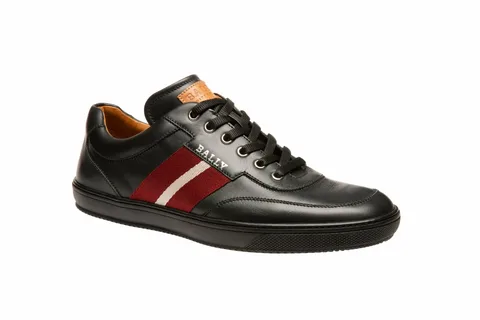
Bally sneakers are worth considering for men exploring luxury footwear beyond the labels that dominate contemporary fashion. An established footwear background gives a brand a reason to enter the conversation, but the decision to buy should rest on the individual model, its appeal, and the value of the complete purchase.
Ethan Walker makes a distinction between recognizing a brand and finding a product worth owning. A familiar name may encourage him to explore a collection, but it cannot settle the decision.
Today’s luxury sneaker market includes brands with very different identities. Some appeal through immediate recognition; others attract buyers through a longer connection to footwear or a less familiar position in fashion. This gives established labels room to compete without having to lead every trend.
The more useful question is not which brand receives the most attention, but which products offer a convincing reason to spend beyond the price of ordinary footwear.
2. What Luxury Sneaker Buyers Expect From a Brand Today
A luxury purchase involves more than an attractive product photograph. Buyers expect accurate descriptions, useful specifications, clear size information, and transparent terms before committing to a higher-priced item.
A product page should identify the model clearly, show the item from useful angles, and provide enough information for a buyer to assess what is being offered. When important details are missing, even an appealing product can become difficult to evaluate.
The transaction matters too. Delivery estimates, return conditions, payment methods, and accessible customer support influence whether an order feels manageable. These points rarely define a fashion campaign, but they become decisive when a customer is ready to pay.
For a luxury label, product appeal and purchasing confidence serve separate roles. One creates interest; the other helps turn that interest into a completed order. A strong buying experience needs both.
3. How Heritage Shapes a Brand’s Position in the Luxury Market
A company’s history helps explain its place in fashion. In footwear, a long association with shoemaking gives consumers useful context when they encounter a label, particularly when its current collection extends beyond the products that first established its reputation.
Founded by Carl Franz Bally in Schönenwerd, Switzerland, in 1851, Bally developed from a family-run ribbon business into an internationally recognized footwear name. The company established a shoe factory in 1854 and expanded into overseas markets during the following decades. This history gives Bally a specific connection to footwear that goes beyond a general fashion identity.
That background is relevant, but it should not be mistaken for proof that every current product will meet a buyer’s expectations. Heritage explains where a brand comes from; the present collection shows what it offers today. The two perspectives are most useful when considered separately.
Readers who want to assess the current selection can browse bally sneakers through the men’s category page. Examining individual models provides a practical way to move from brand history to product evaluation, including design preferences, listed specifications, and price.
For buyers, the more meaningful question is not simply how long a company has existed. It is whether its footwear background gives them a reason to consider the products available now.
4. The Appeal of Established Labels to Modern Male Consumers
Established fashion houses can attract buyers who value a recognizable identity and a longer presence in the market. Their names carry a history that newer labels may still be developing.
That appeal is not universal. One consumer may be interested in a company’s background; another may care more about a particular product or how it relates to the rest of his collection.
Ethan treats familiarity as a way to narrow the field, not as a recommendation. A recognized name can make a brand easier to consider, but the individual product still has to earn attention.
This is especially relevant in luxury footwear, where reputation can influence expectations before a buyer has examined the item. Separating brand identity from product evidence helps keep those expectations realistic.
5. What Makes This Brand Relevant to Today’s Buyers
A brand remains relevant when its current offering gives consumers a reason to consider it. Longevity may explain its recognition, but present-day products determine whether that recognition leads to genuine interest.
For men researching designer footwear, bally men sneakers can form part of a broader shortlist. Some buyers may be drawn to Bally’s established footwear background; others may want to explore a label outside the group of names they encounter most often.
The useful question is what the current selection contributes to a buyer’s search. Does a particular model match his preferences? Is the product information detailed enough to support a decision? Does the price make sense in relation to the item and the alternatives being considered?
These questions turn brand relevance into something practical. A label earns a place on the shortlist when its products give the buyer a reason to keep looking.
6. The Difference Between Brand Prestige and Purchase Value
Prestige describes how a brand is perceived. Purchase value concerns what the buyer receives in return for the money spent. The two can influence each other, but they are not interchangeable.
A recognized label may offer a sense of distinction that forms part of the owner’s enjoyment. Yet the buyer still needs to decide whether the specific product justifies its price. If the item would not attract attention without the name attached, reputation may be carrying too much of the decision.
A more balanced assessment separates the appeal of the label from the merits of the product. Consider the available specifications, photographs, price, and transaction terms, then decide how much the brand identity itself contributes to the purchase.
Prestige can be a legitimate part of luxury value. It simply should not replace a clear understanding of what is being bought.
7. Why Brand Recognition Alone Does Not Guarantee a Purchase
Recognizing a brand is often the beginning of a buying journey. A consumer may encounter a name, visit its collection, inspect several products, and still decide that none meets his current requirements.
Ethan does not treat initial interest as an obligation to buy. He looks for a model that remains appealing after he has considered its price, available information, and the reason he wants another pair.
At this stage, bally sneakers become a product-selection question rather than a general brand search. Buyers should move beyond the first impression and examine the models currently available.
The result does not have to be an immediate order. A particular pair may meet expectations, another may deserve further research, or the collection may not contain the right choice at that moment. Waiting is a reasonable outcome when the evidence is not convincing.
8. How Personal Priorities Influence Luxury Spending
The purpose of a purchase can be as important as the product. Someone buying his first designer pair may have different priorities from a collector or a consumer replacing a pair he no longer wears.
Before browsing, it helps to identify what the purchase is meant to achieve. A buyer looking for a distinctive addition can explore several labels; someone with a specific requirement can narrow the field before reviewing individual models.
Budget should be established early, rather than after becoming attached to a product. Setting a comfortable spending limit makes it easier to assess attractive alternatives without allowing the initial appeal to dictate the final amount.
There is no single best choice for every man. The right purchase is one that meets the buyer’s actual priorities without creating unnecessary financial pressure.
9. When a Luxury Purchase Becomes a Meaningful Investment
Fashion discussions often describe luxury products as investments, but sneakers are generally better understood as personal purchases than as financial assets expected to appreciate.
A pair may become meaningful because its owner enjoys it, values its design, or associates it with a particular period in life. Those benefits can make the purchase worthwhile, but they are personal rewards rather than guaranteed financial returns.
A higher retail price does not establish stronger resale value. Secondary-market demand can change, and a future selling price may depend on condition, availability, buyer interest, and other factors beyond the owner’s control.
A realistic decision therefore considers expected personal enjoyment and affordability. If the purchase only seems reasonable under an optimistic resale assumption, the buyer may want to reconsider.
10. Where Established Footwear Labels Fit in Modern Fashion
Men’s luxury fashion gives consumers access to established fashion houses, specialist footwear labels, contemporary designers, and brands gaining visibility through digital media.
Discovery has changed as well. A buyer may encounter a product in a search result, editorial, video, or retailer’s collection before deciding whether to learn more about the company behind it. Brand awareness and product evaluation can now happen within the same browsing session.
Bally sneakers sit within this wider market as part of an established footwear label’s current offering. Their relevance depends less on general visibility than on whether the available models give a particular buyer a convincing alternative.
A crowded market makes direct evaluation more useful, not less. Popularity can explain why a product appears frequently, but it cannot establish whether the item suits an individual’s preferences or deserves its price.
An established label does not need to lead every trend to remain a viable choice. Its position on a buyer’s shortlist depends on what the current collection actually offers.
11. How to Judge Whether a Luxury Sneaker Matches Your Needs
Before selecting a model, buyers should decide how they expect to use it and what they want from the purchase. A pair chosen as a distinctive addition to a collection may be assessed differently from one expected to become a regular part of a wardrobe.
Three questions can make the search more focused:
- Does the product suit the intended purpose? Be clear about when and why the pair is likely to be worn.
- Is the available information sufficient? Look for an identifiable model, useful photographs, and relevant specifications.
- Does the purchase fit the budget? Account for the full cost, including additional charges that may apply.
This simple filter helps remove products that look appealing but do not meet the reason for starting the search. It also makes comparisons more meaningful because each candidate is being assessed against the same priorities.
If a listing leaves basic questions unanswered, asking the seller for clarification is preferable to making assumptions.
12. What Buyers Should Evaluate Before Placing an Order
A product page deserves careful attention before checkout. Photographs create an initial impression, but the written description should help buyers identify exactly what is being offered.
When reviewing bally sneakers for men, check the model name, product description, available sizes, and any stated material or construction information. The selected item should correspond to the photographs and specifications shown on the page.
The seller and transaction terms deserve equal scrutiny. Before placing an order, establish:
- Whether the seller’s identity and contact information are clearly presented.
- Whether the selected size and product details match the intended item.
- How returns and exchanges are handled.
- Which payment methods are available and whether checkout is secure.
- The estimated dispatch and delivery periods.
- Whether shipping charges, import duties, or taxes may apply.
International orders deserve particular attention because the displayed product price may not represent the final amount paid. Delivery arrangements, customs charges, and the cost of returning an item can all change the economics of the purchase.
There is no reason to proceed while essential terms remain unclear. Buyers should understand what they are ordering and the conditions attached to it before paying.
13. How to Compare Luxury Footwear Beyond Brand Names
A useful comparison starts with individual products rather than assumptions about entire brands. Reputation can help form a shortlist, but it cannot show whether one specific pair is a better purchase than another.
Select two or three candidates and assess them using the same criteria. Review the photographs, descriptions, specifications, prices, and purchasing conditions. This makes it easier to distinguish a product’s actual merits from the expectations attached to its label.
It is also useful to separate verifiable information from personal judgment. A stated material or available size can be checked against a listing. Whether a design feels distinctive or suits someone’s wardrobe remains subjective.
| Evaluation point | What to check |
|---|---|
| Product identity | Model name and exact item listed |
| Available information | Photographs, specifications, and size details |
| Personal appeal | Whether the product suits individual preferences |
| Total cost | Product price plus applicable additional charges |
| Seller arrangements | Returns, payment, and delivery conditions |
The purpose is not to declare one brand universally superior. It is to identify which specific product offers the strongest overall fit for the person making the purchase.
14. When One Luxury Label May Be a Better Fit Than Another
One label may suit a buyer who appreciates its background and finds a compelling model in the current collection. Another may be a better match for someone whose priorities point toward a different design direction, product specification, or price level.
Ethan does not treat the decision as a contest in which one brand must outperform every competitor. He asks why each label entered his shortlist and whether its available products satisfy that reason.
A consumer interested in an established footwear name may have grounds to investigate Bally further. Someone searching for a very specific look or a different fashion identity may find a closer match elsewhere.
The distinction is between choosing a brand because it is familiar and choosing it because the actual product makes sense. If another pair better meets the buyer’s requirements, there is no reason to force the decision toward a predetermined label.
15. Which Buyers Are Most Likely to Appreciate This Brand
Different consumers may find different reasons to explore bally sneakers. The potential audience is better understood through buying priorities than through broad assumptions about age or income.
Buyers interested in established footwear names may appreciate a label with a long association with shoemaking. They may be looking to add a different brand identity to a collection that already includes other luxury houses.
Consumers who research before buying may prefer to examine individual models rather than decide on the basis of advertising exposure. For these buyers, clear descriptions and accessible transaction information are part of a satisfactory buying process.
People open to alternatives may want to discover labels beyond the names they encounter most frequently. They can assess each product on its own merits instead of relying on popularity as a shortcut.
Bally does not need to appeal to every luxury consumer. Its relevance depends on whether the current offering gives a particular buyer a reason to choose it.
16. Making a More Confident Luxury Footwear Purchase
A confident purchase begins with a clear understanding of both the product and the transaction. It should come from reliable information and realistic expectations, not pressure to order quickly or an assumption that a luxury label guarantees a satisfactory outcome.
Before checkout, confirm that the selected model is correct, the size information is clear, the seller’s terms are understandable, and the total cost is acceptable.
International buyers should pay close attention to delivery estimates and possible customs charges. The displayed product price may exclude costs required to receive the order. Return shipping and exchange restrictions can also matter when buying from another country.
Keep the order confirmation and a copy of the seller’s stated terms. If a product detail or delivery condition remains uncertain, ask for clarification before payment rather than trying to resolve the issue afterward.
The aim is not to predict every possible outcome. It is to make the purchase with enough information to understand its likely costs, conditions, and responsibilities.
17. Ethan Walker’s Final Assessment
After considering Bally’s footwear background, its position in the luxury market, and the practical requirements of buying designer footwear, Ethan reaches a measured conclusion: the brand is worth considering, but the right purchase depends on the individual model and the buyer’s expectations.
Its established connection to footwear provides a reason to include the company in a search. That history should prompt closer examination, not replace it. Buyers still need to assess the current collection, decide whether a particular product appeals to them, and understand the terms of the transaction.
For anyone exploring bally sneakers, the next step is to review the men’s collection and shortlist the models that genuinely match their preferences. Product information, size availability, seller arrangements, delivery terms, and total cost should guide the final decision.
The principle is straightforward: do not buy simply because a name is familiar or an item belongs to the luxury market. Buy when the product, price, and purchasing conditions make sense together. That leaves Bally room to be the right choice without allowing brand recognition to make the decision on the buyer’s behalf.