Bubba Wallace Parents: A Go-Kart, a Family Rift, and the Making of a NASCAR Star
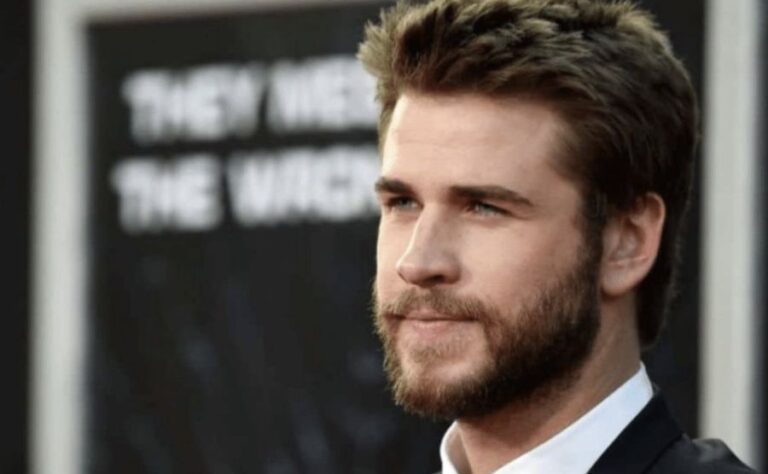
Here’s something most sports bios won’t tell you: the man who just became the first Black driver to win the Brickyard 400 in Indianapolis Motor Speedway history once drove his truck across town and physically fought his father. Swinging fists. On impulse, before he even thought about it.
And then he still credits both of his parents for making him who he is.
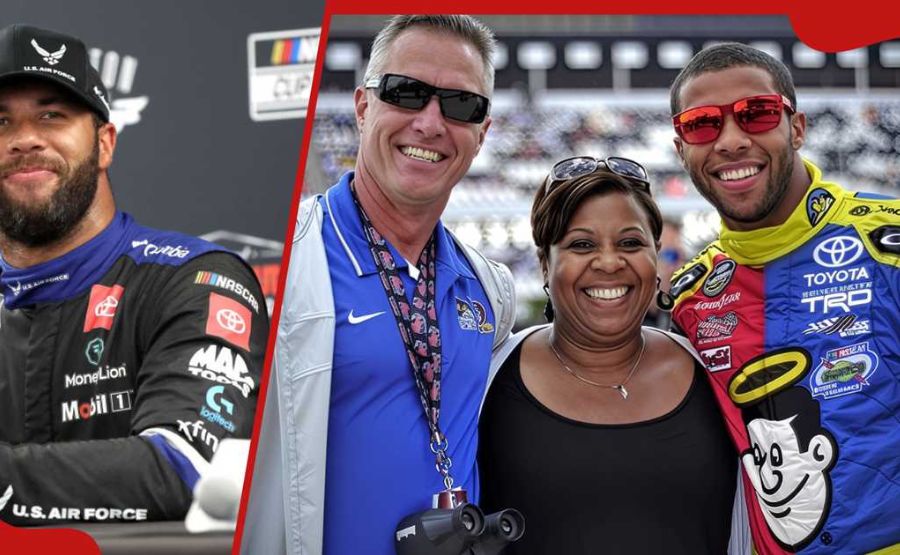
That’s not a contradiction. That’s a family. And understanding Darrell Wallace Sr. and Desiree Wallace is the only way to actually understand Bubba Wallace — the racer, the activist, the complicated and very human person behind all the NASCAR history.
Quick Bio
| Detail | Info |
| Son | William Darrell “Bubba” Wallace Jr. (born October 8, 1993, Mobile, Alabama) |
| Father | Darrell “Farrell” Wallace Sr. |
| Father’s Ethnicity | Caucasian-American |
| Father’s Career | Former state trooper; founder and owner of Wallace Industrial Inc. (industrial cleaning company, North Carolina) |
| Father’s Hometown | Greenville, Alabama |
| Mother | Desiree Gillespie Lawrence (née Wallace) |
| Mother’s Ethnicity | African-American |
| Mother’s Birthday | August 5, 1964 |
| Mother’s Career | Social worker; former track and field athlete, University of Tennessee |
| Mother’s Hometown | Knoxville, Tennessee |
| Married | 1990s, Alabama; divorced 2016 |
| Daughter | Brittany Gillespie Wallace (born May 5, 1988; gave Bubba his nickname at age 5) |
| Family Relocated | Concord, North Carolina when Bubba was ~2 years old |
| Bubba’s Nickname Origin | Given by sister Brittany to distinguish him from his father, Darrell Sr. |
The Man Who Started It All With a Go-Kart
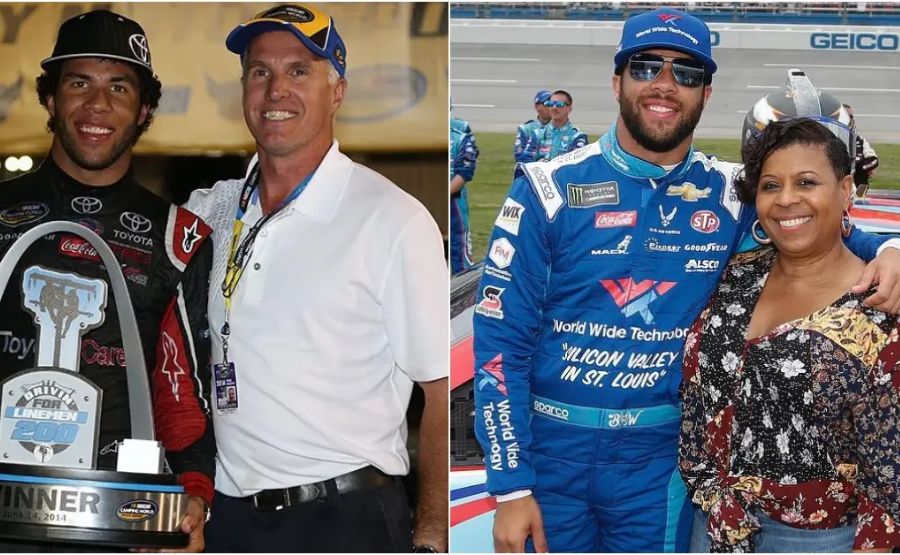
Darrell Wallace Sr. is the reason Bubba Wallace is a NASCAR driver at all. Full stop. That’s not debatable.
When Bubba was nine years old, his father bought him his first go-kart. That gift cracked the door open to a world that consumed the next fifteen-plus years of both their lives. Darrell Sr. drove his son to tracks. He helped fund the early racing career out of his own pocket — money from Wallace Industrial Inc., the industrial cleaning company he’d built in North Carolina.
The man was a former state trooper turned entrepreneur. He didn’t have bottomless wealth, but he had enough, and he committed it. For fifteen years of Bubba’s racing career, his father was the constant — the guy in the pits, the guy writing the checks, the guy making it structurally possible for a kid from Concord, North Carolina to compete in a sport that costs serious money to even enter.
Bubba has acknowledged this repeatedly and specifically. That foundation — the financial commitment, the logistical labor, the decade and a half of showing up — is where his career was built.
See also “Arman Tsarukyan Wife Milena: The Medical Student Behind the UFC Lightweight Contender“
The Mother Who Ran Track and Raised a Fighter
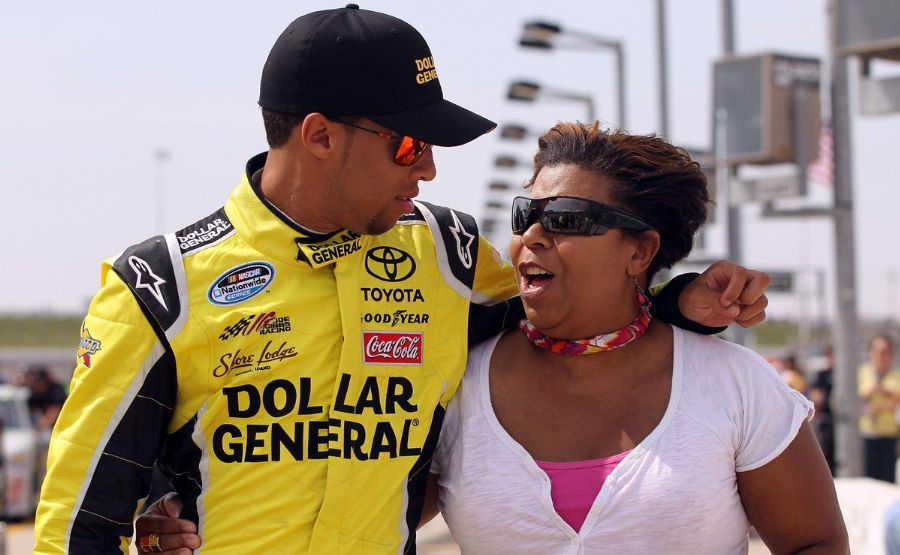
Desiree Wallace is a different story and equally important.
She competed in track and field at the University of Tennessee. That athletic background is not just a biographical footnote — it tells you something about her makeup. She’s a competitor. She understands what it takes to train and push and endure when things don’t go your way. She brought that same energy to raising Bubba and his older sister Brittany.
She worked as a social worker for years, spending her professional life with at-risk youth and underserved communities. That is not a profession you enter for the paycheck. That’s a calling. And it shaped how she parented — emphasis on discipline, mental strength, doing the right thing even when it’s uncomfortable.
She told GQ Sports in 2020 that Bubba had a mind that was always trying to figure out how things worked, even as a small child. She described a kid who could assemble things and solve problems at an unusually early age. That’s a mother who was paying attention — not just watching races from the stands, but watching who her son actually was.
She was initially hesitant about his racing career. Let’s be honest about that. She had real reasons: the sport was dangerous, and it was almost entirely white. Her brother-in-law had raced in Nashville so she understood the culture. She and Darrell Sr. even shared a love for Dale Earnhardt Sr. before his death. But knowing what her son would encounter in those grandstands, she watched him follow this path? That was harder.
She came around. Eventually she was at the races. Eventually she became, as Bubba himself has described her, his biggest fan.
When the Nickname “Bubba” Actually Means Something
You probably know him as Bubba. Almost nobody says “Darrell Wallace Jr.” outside of official broadcast contexts. But where did Bubba come from?
Brittany. His sister. She was five years old, he was a baby, and there were two Darrells in the house. She needed a way to tell them apart. She landed on Bubba. It stuck in the way nicknames given by small children tend to — permanently and without anyone’s permission.
He ran with it. And honestly, in the context of NASCAR — a sport historically populated by Bubbas and Juniors and Dales — the name ended up fitting better than anyone planned.
The Divorce. And then the fight.
Darrell Sr. and Desiree divorced in 2016. That’s documented across multiple sources and confirmed by Bubba himself. The marriage had run into serious trouble.
Bubba had made a personal decision: stay out of his parents’ conflicts. He was an adult by then. He had his own career. He wasn’t going to insert himself into the messiness of their marriage falling apart.
Then his mother told him something. Specifics aren’t publicly known — just that she described a confrontation between her and Darrell Sr. that crossed a line for Bubba.
He didn’t stop to think. He drove to his father’s house and they fought. Actually fought — fists, not words. Fifteen years of shared history, fifteen years of father and son building a racing career together, and then: a physical altercation that broke something in the relationship.
Bubba told the full story of Dale Jr. Download podcast in October 2019. He didn’t dress it up. He said the light switch went off, he acted before thinking, and that day was it. For 15 years it had been the two of them, and after that day it wasn’t anymore.
The Part About Healing — And How Long It Takes
Here’s the thing about Darrell Wallace Sr. that makes him genuinely interesting rather than just a villain in this story.
He’s hard-headed. Bubba has said that clearly. When Bubba reached out to try to repair things — and he tried multiple times — his father’s response was a phrase: time shall heal all wounds. Every time. For months. That’s the kind of stubbornness that can look like coldness but often comes from someone who doesn’t know another way to process.
By 2019, Bubba said they were making progress. Slow, real progress. The Netflix docuseries Race: Bubba Wallace Jr. apparently helped — after it aired, Darrell Sr. sent his son a positive text message. Bubba described it as surprising and welcome. He said the family had been praying for exactly that kind of breakthrough.
The reconciliation isn’t total. The awkward tension hasn’t fully disappeared by any account. But the love is still there. Bubba has been consistent about that: whatever happened, it’s still his dad, and he still loves him. That’s not a PR line. That’s how most complicated family relationships actually work.
What Desiree Did When the Racial Slurs Started
This is the moment that reveals who Desiree Wallace is as a parent and as a person.
Bubba was 13 or 14. He was racing in Virginia — a speedway crowd, the kind of environment you can picture. He made a mistake on the track. A group of men in the stands responded with a racial slur.
Desiree pulled her son aside. What she said next became part of how Bubba has described his foundational education in how to respond to racism: don’t use violence. Don’t fight them when they say that. Those are ignorant people.
That’s not a passive response. That’s a woman who understood exactly what her son was going to face in that sport — because NASCAR was, and largely still is, a world built by and for white Southerners — and made a calculated decision about how to prepare him to survive it without getting expelled from the track or worse.
She also called it out publicly when it kept happening. In June 2020, during the Confederate flag controversy and the noose incident at Talladega, Desiree went on SiriusXM’s The Joe Madison Show and said plainly: this is not his first incident. She stated directly that when Bubba gets into it with another driver, the N-word comes out fast. She wasn’t speculating. She was reporting what her son had experienced.
That is a mother who decided that protecting her kid meant not pretending the problem wasn’t real.
The Noose. The Flag. The History.
In 2020, Bubba successfully pushed NASCAR to ban the Confederate flag from its events. That’s a real, documented achievement in a sport where that flag had flown for decades as “tradition.” Days later, a noose was found in his garage stall at Talladega.
The FBI investigated and concluded it had been hanging there before Bubba’s team was assigned the stall — likely a garage pull rope tied in a noose shape rather than a targeted threat. But the image of a Black driver finding a noose at the track, days after helping to ban the Confederate flag, landed with predictable force.
Donald Trump called it a hoax and demanded Bubba apologize. Dozens of fellow NASCAR drivers walked with Bubba on pit road in a show of solidarity before that race. The culture war was fully on.
The entire episode was given a distinct context by Desiree’s public statements during all of this, stating that her kid had been the target of racial comments from other cars and that this was a pattern rather than an isolated incident. It wasn’t just about one rope in one garage. It was about years of accumulated experience in a sport that had never made her son fully welcome.
Then on July 27, 2025, Bubba Wallace won the Brickyard 400 at Indianapolis Motor Speedway. The first Black driver in history to win that race. He crossed the line by 0.222 seconds over Kyle Larson after surviving two overtime periods and fears that he’d run out of fuel. He got on the radio and said: “Unbelievable.”
His father’s go-kart. His mother’s instructions on how to handle racist grandstands. Twenty-plus years later. The Brickyard.
The Number and Name That Provide Complete Information About Both Parents
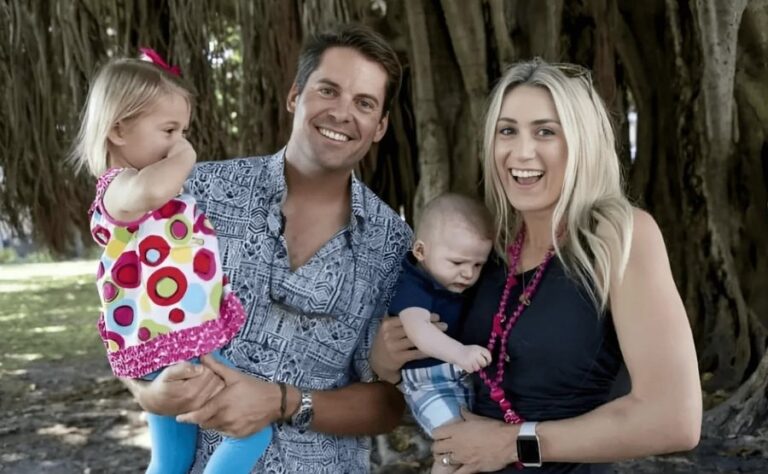
Bubba’s full name is William Darrell Wallace Jr. His father’s name is Darrell. His sister gave him the nickname Bubba. His mother’s family is from Tennessee. His father’s family is from Alabama. His parents were a Black woman and a white man who got married in Alabama in the early 1990s, when that was still — depending on where you stood and what county you were in — the kind of thing that got people talked about.
They built something together. An industrial cleaning company. A family on a 65-acre farm area around North Carolina. A racing career that cost real money and took real time. Then the marriage ended, messily and physically and with real damage.
And their son still became the first Black driver to win the Brickyard 400. He’s got a son of his own now — Becks Hayden Wallace, born September 29, 2024. He’s building the next layer of this family story.
Final Words
Here’s the honest assessment.
Darrell Wallace Sr. is not a simple figure. The man funded and built his son’s career over fifteen years, then had a physical confrontation with that same son that fractured their relationship for years. He’s described as hard-headed and slow to process. He also keeps showing up — the Netflix special text, the slow reconciliation. He’s still his son’s father.
Desiree Wallace is the emotional spine of this story. The track athlete who became a social worker. The mother who traveled to races. The woman who taught her biracial son to absorb racist taunts without flinching and then fight back by being better, not by swinging. The one who went on radio and named what was happening to her son when everyone else in the sport was looking away.
Together — and separately — they made someone who pushed a historically white sport to ban its most loaded symbol, who openly discussed his depression in a culture that doesn’t reward that, who fought his own father and then tried to forgive him, and who eventually won at Indianapolis on a fuel strategy gamble that could have gone catastrophically wrong.
That’s a complicated, real, American story. And it starts with a go-kart, a social worker, and two parents who loved their kid in all the ways they were capable of — which turned out to be enough.
FAQs
1. Who are Bubba Wallace’s parents?
His father is Darrell “Farrell” Wallace Sr. — a white American businessman, former state trooper, and founder of Wallace Industrial Inc., an industrial cleaning company in North Carolina. His mother is Desiree Gillespie Lawrence (formerly Wallace) — an African-American social worker and former track and field athlete who competed at the University of Tennessee.
2. What ethnicity is Bubba Wallace?
He’s biracial — his father is Caucasian-American and his mother is African-American. He was born in Mobile, Alabama and raised in Concord, North Carolina.
3. Are Bubba Wallace’s parents still together?
No. Darrell Sr. and Desiree divorced in 2016 after their marriage ran into serious problems. Both have continued to be involved in Bubba’s life and career in different ways despite the separation.
4. Did Bubba Wallace fight his own father?
Yes — and he told the story himself to Dale Jr. Download podcast in October 2019. After learning about a confrontation his father had with his mother, Bubba drove to his father’s house and they had a physical altercation. He described it as acting on impulse, before thinking. It severely damaged their relationship.
5. Did Bubba Wallace reconcile with his father?
Partially, and slowly. By 2019 he said they were making progress. After his Netflix docuseries Race: Bubba Wallace Jr. aired, his father sent him a positive text message that Bubba described as surprising and welcome. The relationship remains complex.
6. What does Bubba Wallace’s father do for work?
Wallace Industrial Inc., a North Carolina-based business that provides environmental services and industrial cleaning, is owned and run by Darrell Wallace Sr. He was also formerly a state trooper.
7. What does Bubba Wallace’s mother do for work?
Desiree Wallace has worked as a social worker, focusing on at-risk youth and underserved communities. She’s also a former track and field athlete who ran competitively at the University of Tennessee.
8. Where does the nickname “Bubba” come from?
From his older sister Brittany, who gave him the nickname at age five to distinguish him from their father, Darrell Sr. Since both father and son share the name Darrell, Brittany’s childhood solution became permanent.
9. What did Desiree Wallace say publicly about racism in NASCAR?
In June 2020, amid the Confederate flag controversy and the Talladega noose incident, Desiree went on SiriusXM’s The Joe Madison Show and stated that Bubba had been called racial slurs by other drivers — that it wasn’t the first incident and the sport had a pattern, not a single problem.
10. Did Bubba Wallace’s parents support his racing career?
Yes, in different ways. His father introduced him to go-karts at age nine and financially backed his early career for fifteen years. His mother was initially hesitant due to safety concerns and NASCAR’s lack of diversity, but eventually became a regular trackside presence and his self-described biggest fan.
11. What was the noose incident involving Bubba Wallace?
In June 2020, days after he successfully lobbied NASCAR to ban the Confederate flag, a noose was found in his garage stall at Talladega Superspeedway. The FBI investigated and concluded it was a garage pull rope tied in a noose shape that had been there before his team was assigned the stall, not a targeted threat. The incident nonetheless sparked a national conversation about race in NASCAR.
12. What is Bubba Wallace’s biggest career win?
As of 2026, winning the Brickyard 400 at Indianapolis Motor Speedway on July 27, 2025 — making him the first Black driver in the race’s 31-year history to win it. It was his third career NASCAR Cup Series victory, ending a 100-race winless streak, and came after a dramatic double-overtime finish in which he risked running out of fuel.
Discover stories that stand at the top with The Pinnacle Magazine.